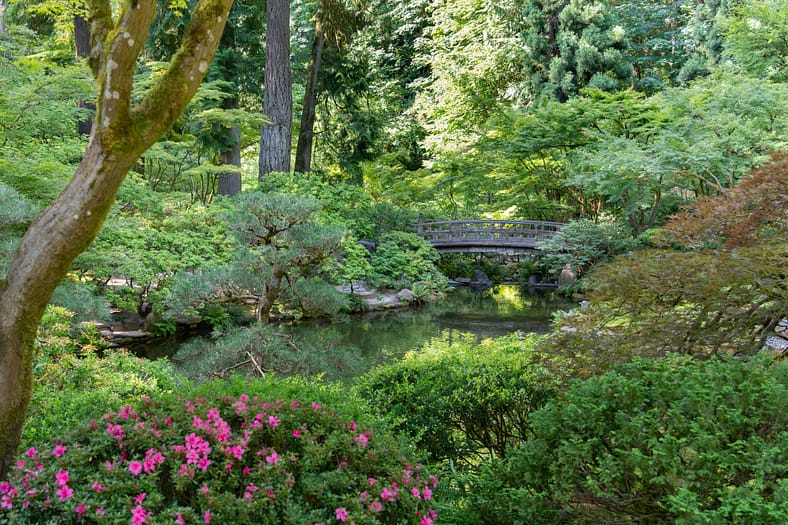
2025 was an exciting and memorable year for Portland Japanese Garden! The Garden embarked on a diverse range of incredible programming, welcomed some of the world’s most respected leaders across a variety of fields to Portland, and enjoyed the everlasting beauty and serenity of the Garden itself. Let’s take a look back at all that happened in 2025 at Portland Japanese Garden.
January
O-Shogatsu, Japanese New Year

In 2025, Portland Japanese Garden celebrated the new year with special events, demonstrations, and performances throughout the beginning of January. On January 1, the Garden was open exclusively to members and then, between January 4 to 12, it hosted a plethora of events celebrating the new year, including hatsugama (first tea ceremony of the year), a lecture on auspicious items in ikebana, and musical performances by Oregon Koto-Kai, all culminating in the beloved festival celebration on January 12. On this chilly winter day, guests had the opportunity to try sumi-e, Japanese ink-wash painting, and enjoy Edo Kotobuki Jishi, the celebratory traditional lion dance of Tokyo, performed by Portland Shishimai Kai.
“Living Traditions” Presents Second In-Person Installment at World Forestry Center
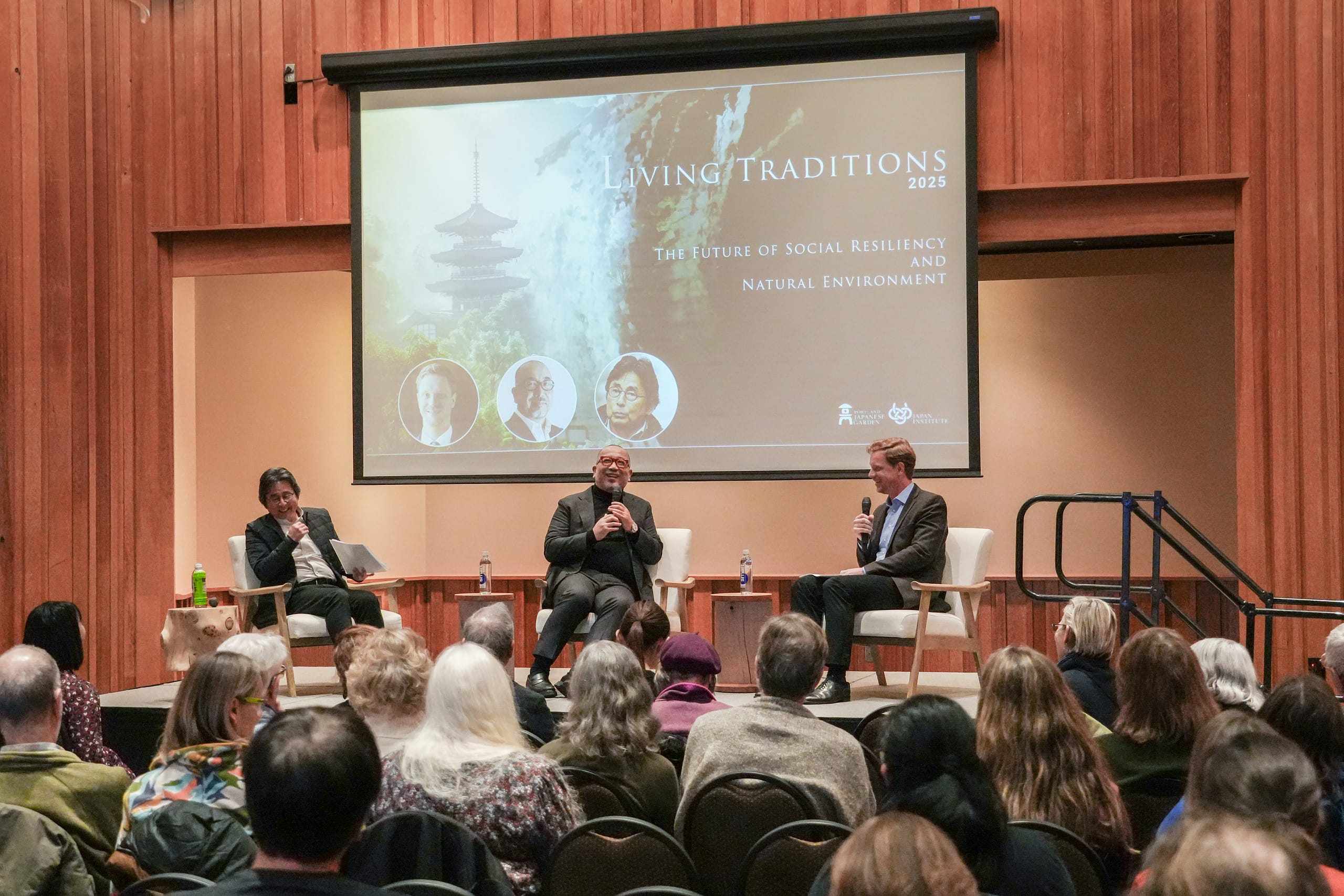
Japan Institute of Portland Japanese Garden held its second in-person iteration of Living Traditions, a series of conversations and talks that explore some of the most iconic facets of Japanese culture, at the World Forestry Center in its shared home of Washington Park. “The Future of Social Resiliency and Natural Environment” explored new frontiers in the cultural fusion of American ingenuity, technology, and craftsmanship with Japanese aesthetics. The afternoon included remarks from Hitoshi Abe, a leader in diverse architectural projects bridging Japan and the U.S., and a panel discussion featuring luminary speakers including Sadafumi Uchiyama, landscape architect and Curator Emeritus of Portland Japanese Garden. Frank Feltens (Curator of Japanese Art at the Smithsonian’s National Museum of Asian Art) moderated this dialogue, which was supported by the Government of Japan and presented in partnership with Japan Society (NY).
Oregon State Representative Mari Watanabe Sworn into Office at Portland Japanese Garden

On January 19, Oregon State Representative Mari Watanabe (Washington County) was sworn in by Justice Aruna Masih of the Oregon Supreme Court to fill a vacant seat for House District 34 in front of crowd of family, friends, colleagues, and admirers at Portland Japanese Garden. Watanabe, who serves on the Garden’s Board of Trustees, is the granddaughter of Japanese immigrants and has been a Portland resident since 2000. Her appointment, certified by Oregon Secretary of State Tobias Read at the ceremony, makes her the first Japanese American woman to serve in the Oregon legislature, a body that held its first regular session in 1860.
February
Yukizuri Create Winter Scenery Amidst Late-Winter Snowfall
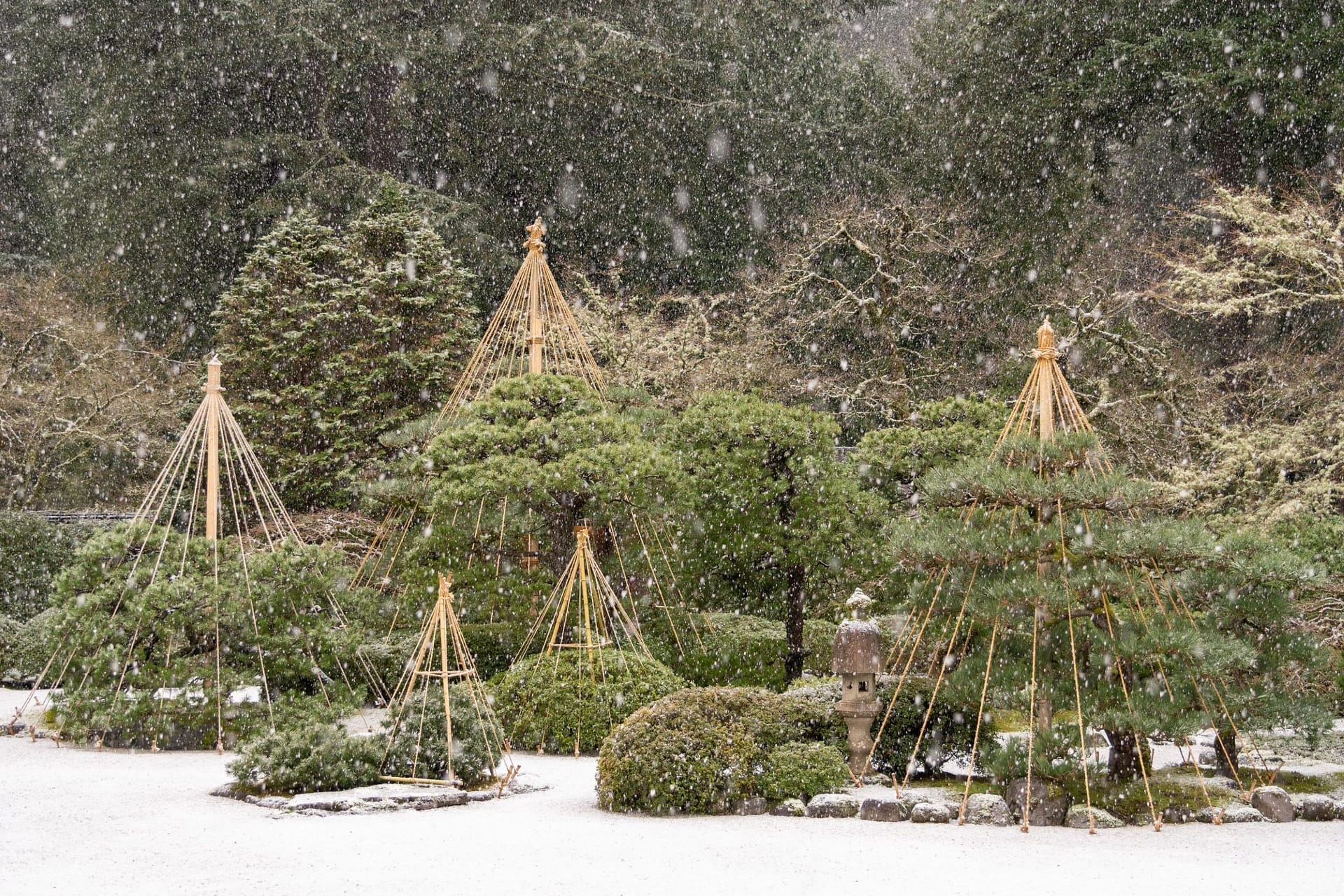
In February, the Garden’s yukizuri served their intended purpose and protected meticulously-pruned trees from a light winter snowfall. Yukizuri (雪吊り) are aesthetically pleasing support systems that protect and prepare trees for winter—yuki means “snow” and zuri or tsuri means “lifting.” In this we understand precisely how they help protect trees: Straw ropes are cast down from a central pole, almost like the frame of an umbrella. The ropes are then tied to branches to help lift them up with the thought being they’ll better withstand the weight of heavy snowfall or frost.
Earthen Elegance: The Ceramic Art of Bizen Celebrates 900-Year Tradition
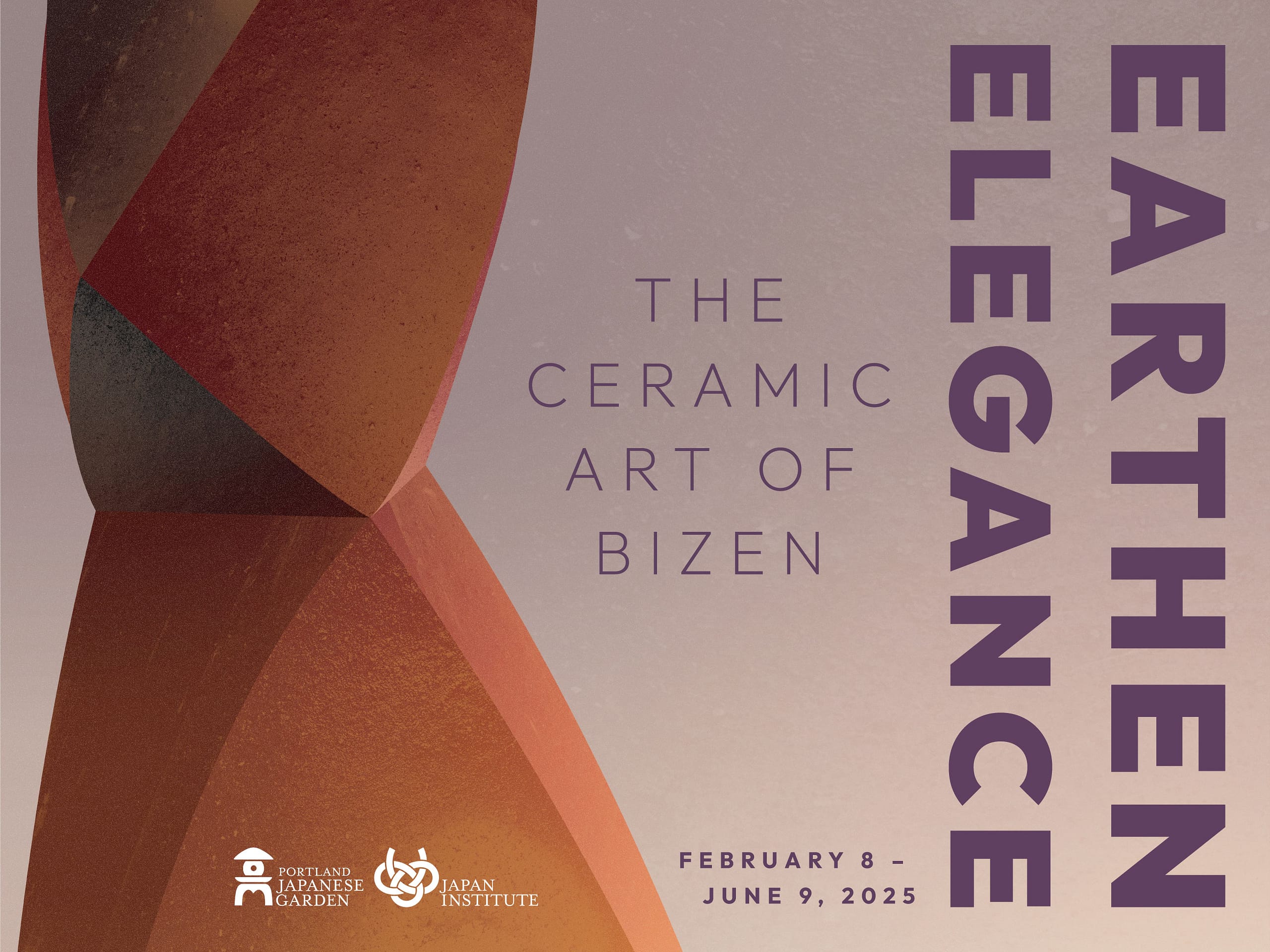
Portland Japanese Garden presented its first new art exhibition of 2025 with Earthen Elegance: The Ceramic Art of Bizen. The city of Bizen is a ceramic center that has continued its unique form of pottery for over 900 years. Notable for their rustic, textured, and unglazed forms, the works featured in Earthen Elegance reveal the breadth of techniques that define Bizen pottery. Among the works featured in Earthen Elegance were pieces by famous Bizen ceramicists, including Jun Isezaki, a Living National Treasure of Japan, and by Ryūichi Kakurezaki, one of Japan most innovative contemporary sculptors.
Hands-on Winter Ikebana Workshop Teaches Ohara School Methods
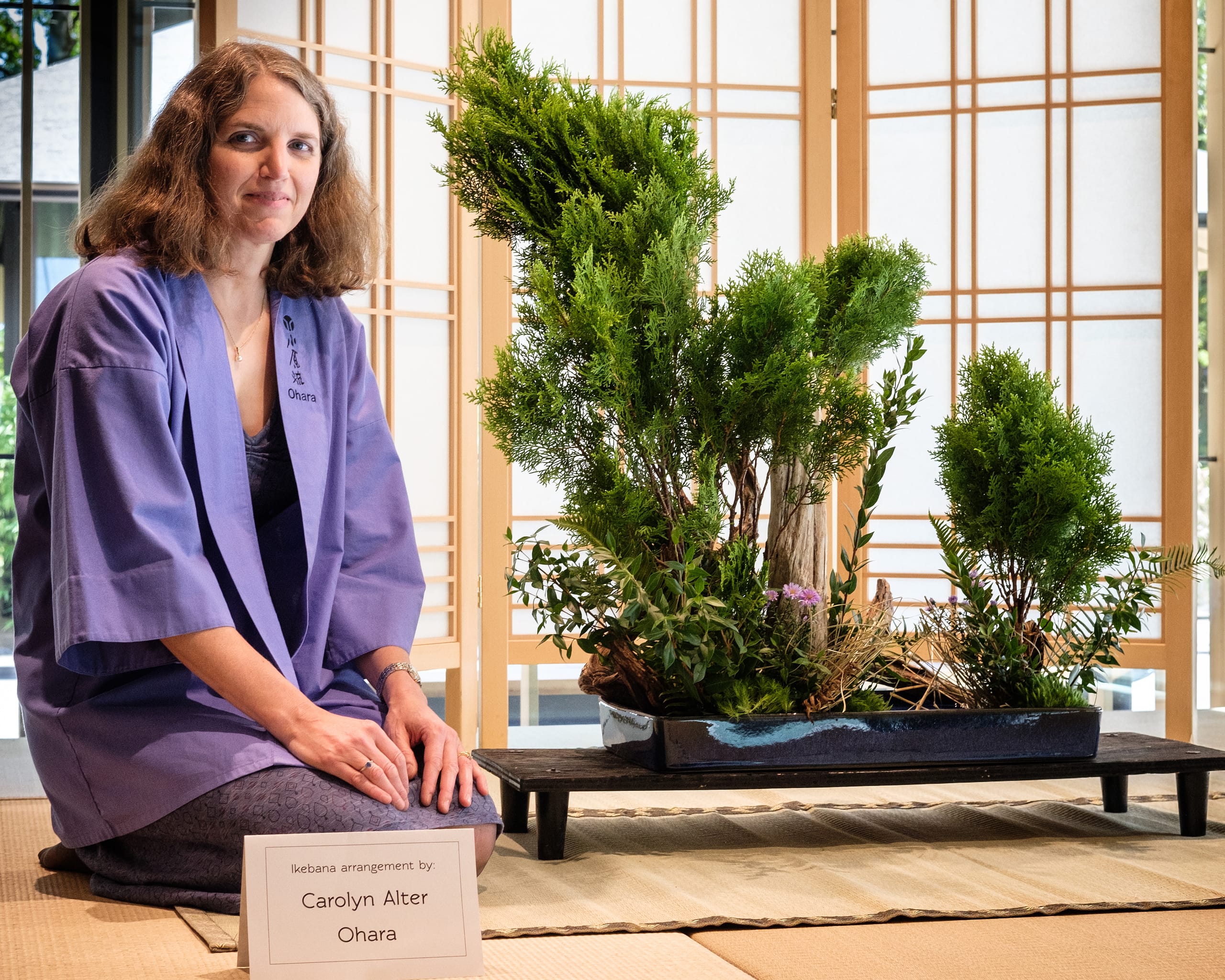
For the third consecutive year, Carolyn Alter, a longtime Garden cultural partner and Head Teacher of the Ohara School of Ikebana’s Oregon Chapter, brought the beauty of kado (the way of flowers) to Portland Japanese Garden through a hands-on workshop series. In four sessions, students learned the art of ikebana, translated as “living flowers” or “giving life to flowers,” which is unique from other approaches to flower arrangements. Alter taught participants beginner Hana Isho (flower design) in the Ohara School method and based on the curriculum set forth by the Ohara School of Ikebana. This institution is known for moribana, which breaks the more traditional and formal vertical styles, creating new horizontal “landscape” arrangements, with flowers “heaped” (moru) in lower plate-like containers.
March
Hina Matsuri, Doll’s Day

Hina Matsuri, also called Doll’s Day or Girl’s Day, is celebrated each year in Japan on March 3 to celebrate the happiness, growth, and good health of girls. In Japan, families with daughters mark the festival by displaying intricately crafted hina dolls dressed in ornate costumes several days before the festival. In 2025, the Garden celebrated Hina Matsuri throughout late February and early March with a traditional display of hina dolls in the Cathy Rudd Cultural Corner, special coloring and origami activities in the Family Studio, a Kimekomi Ningyo (木目込人形) talk with dollmaker Gael Sapiro, and a cultural talk on hina dolls with Tsuru Tuenge, a beloved volunteer. On the day of the festival, visitors were able to participate in family-friendly ikebana classes and enjoy music and dance performances from Takohachi.
Textile Workshops Teaches Japanese Hand-Stitching and Mending Techniques

Portland Japanese Garden continued its partnership with textile artisan Judilee Fitzhugh to provide a series of three textile workshops beginning in March and concluding in May. Each session taught a different form of hand-stitching including sashiko, a form of mending known for its striking traditional indigo-and-white color scheme and complex decorative patterns, maekake, a traditional workman’s apron dating back to the Edo Period (1603-1868), and the process of making happi, loose-fitting casual cotton jackets often worn at festivals.
Sakura Society Inaugural Reception Welcomes Dynamic Group to Garden Community Through New Membership Level

In March, Portland Japanese Garden established its Sakura Society, a membership level that welcomes emerging leaders from the ages of 21 to 45 to become patrons of the organization. The Sakura Society offers a deeper connection to the Garden and its mission of Inspiring Harmony and Peace through tailored engagement opportunities with the Garden, art, and cultural experts. In May, Sakura Society Members were invited to the inaugural Sakura Society reception featuring Earthen Elegance: The Ceramic Art of Bizen, the Garden’s first exhibition of 2025.
Music Program “Music of the Birds” Celebrates Portland and Sapporo Sister-City Relationship

In celebration of the more than 65-year-old sister-city relationship between Portland, Oregon and Sapporo, Hokkaido, Japan, the duo of Amelia Lukas and Yoko Greeney performed a specially curated program, Music of the Birds, featuring the world premiere of “Shima Enaga (Snow Fairies)” by composer Kirsten Volness. The concert also included a conversation featuring Leah Smoot, a gardener from Portland Japanese Garden and Brodie Cass Talbot from Bird Alliance of Oregon. With a focus on the enduring friendship of Portland and Sapporo, this concert evoked the special qualities that connect these culturally rich epicenters.
Local Oregon Artist Highlighted in New Exhibition, Natural Patterns: Katazome Stencil Dyeing
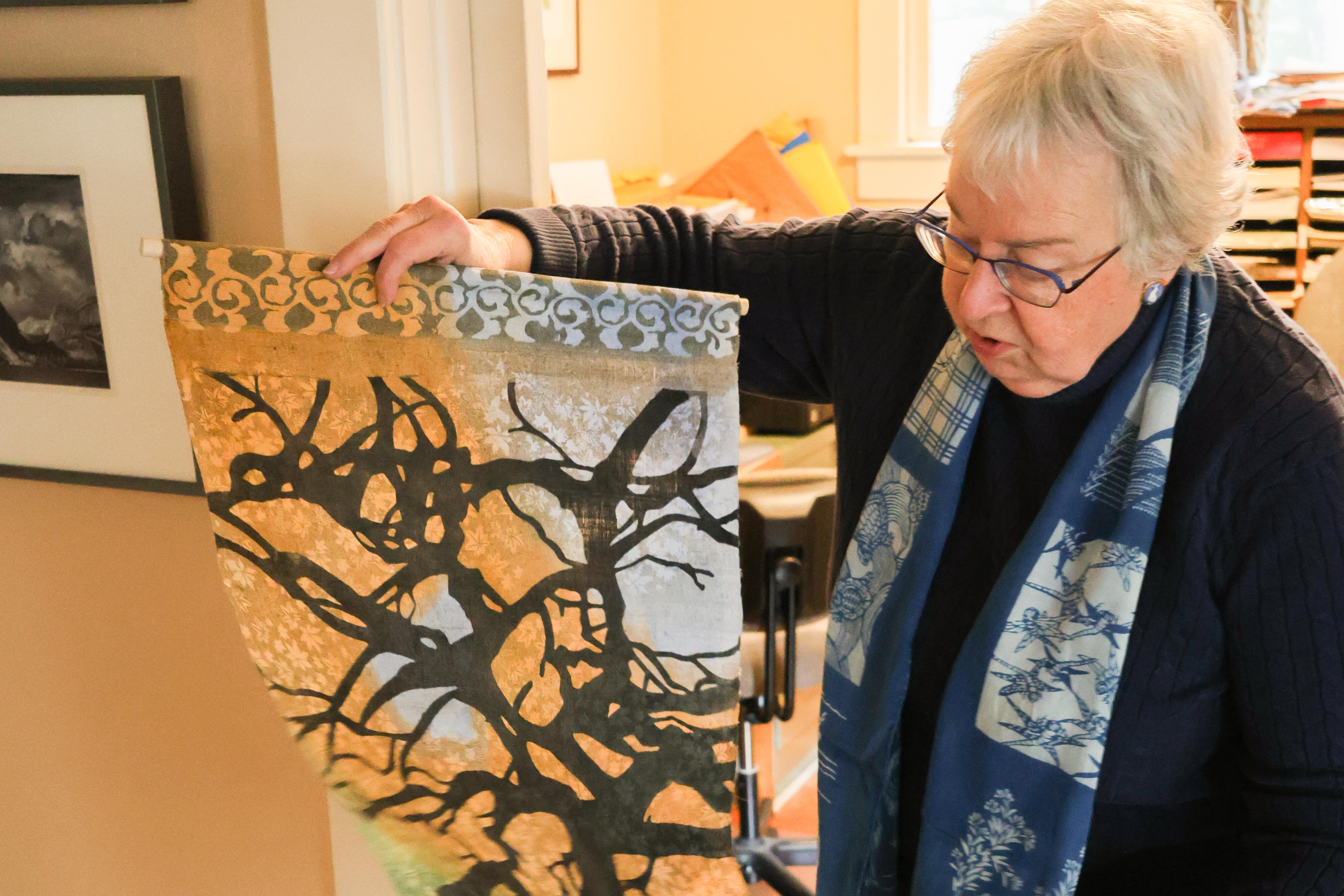
Primarily used for elaborate patterns on kimono and yukata, katazome is a method of using exquisitely cut paper stencils and resist paste to dye fabrics. Today, katazome-created designs can be stand-alone art pieces, or are often found on noren curtains, futon covers, and furoshiki gift wraps. Local Oregon artist, Karen Illman Miller, has practiced katazome for the past 30 years, infusing her designs with inspiration from the natural world and drawing from her background as a marine biologist. The Calvin and Mayho Tanabe Gallery hosted Miller’s extraordinary art, which fuses traditional Japanese dyeing with our local landscape. The hallway located just outside of the Yanai Family Classroom featured a selection of antique katazome stencils collected by Miller throughout her artistic career.
April
Springtime Updates Refresh Garden Spaces
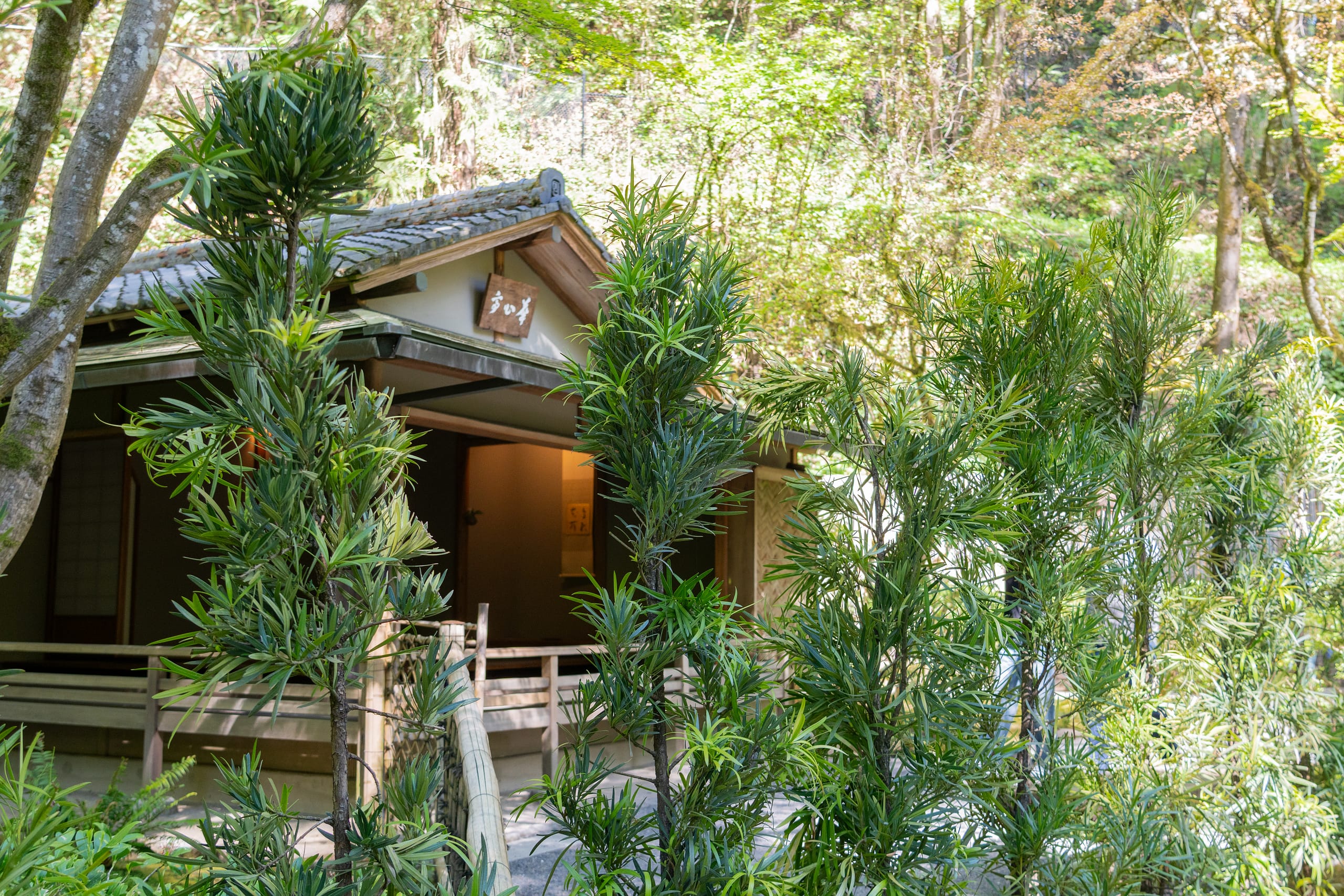
With the beginning of spring and all the beauty that it promises, the Garden grounds experienced a number of updates, all in the spirit of kaizen, or continuous improvement. These updates included the return of bonsai displayed in the Ellie M. Hill Bonsai and Jubitz Oregon Terraces, chisangaki style bamboo fences in the Crumpacker Family Bamboo Allee, new podocarpus hedges, or inumaki, lining the pathway between the Tea and Strolling Pond Gardens, and pond maintenance near the Heavenly Falls to better care for the Garden’s beloved koi and improve the flow of water in this area.
Saga Goryu School of Ikebana Presents Ikebana Display, Yume
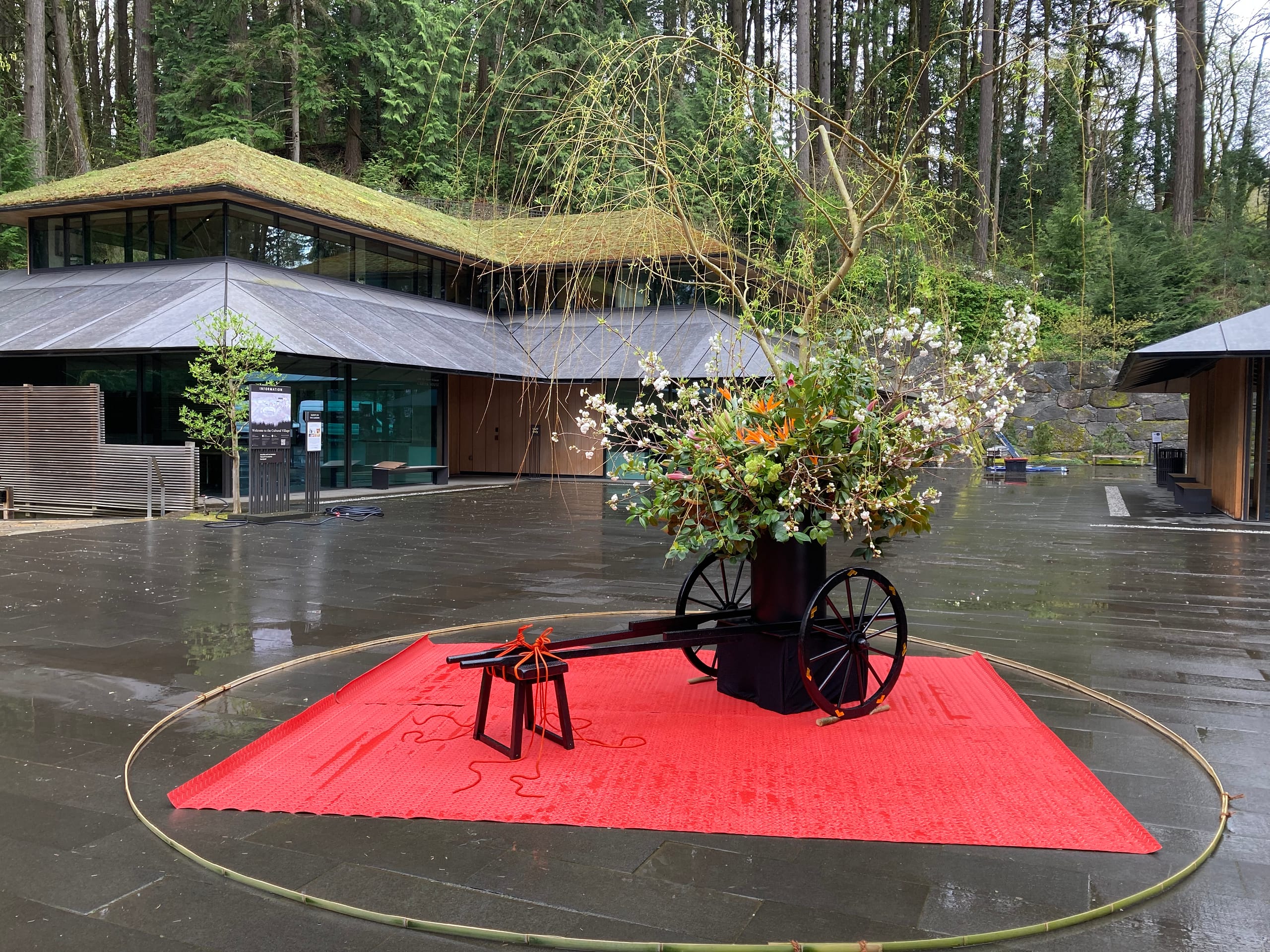
Shakamuni Buddha’s birthday is commemorated on the 8th day of the 4th month. In Japan, this celebration is called Hana Matsuri. Saga Goryu North America Chapter offered an ikebana installation for Hana Matsuri at the Portland Japanese Garden from April 9 through 12. The theme of this year’s ikebana installation was yume (夢), or “dream.” However, yume means more than just a dream—it represents hope, transformation, and a shared vision for the future. Just as dreams connect imagination with reality, ikebana brings together tradition, creativity, and the beauty of impermanence. Yume reminds us that this art form is more than an arrangement of flowers; it is a living dream that continues to evolve and inspire.
Ceramic Experts and Artists Join Webinar Conversation on the Art of Bizen Ceramics
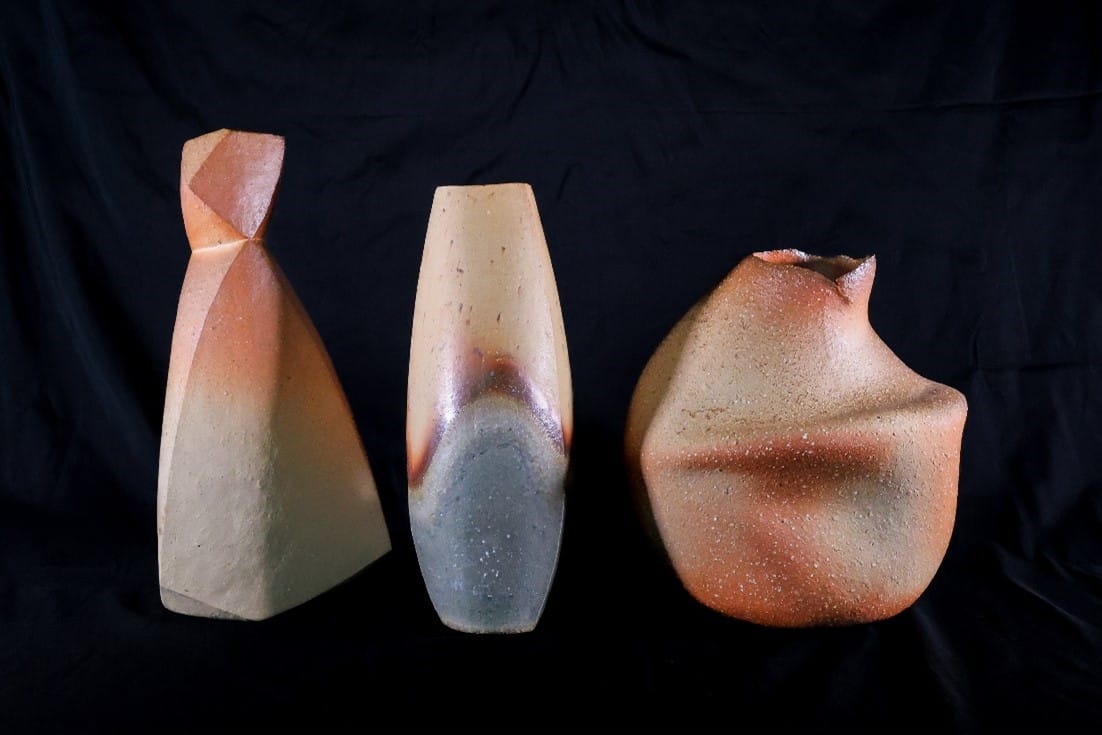
Portland Japanese Garden hosted a special webinar in celebration of its exhibition, Earthen Elegance: The Art of Bizen Ceramics, including special guests David Sneider, of the David Sneider and Naomi Pollock Collection, Robert Yellin, Japanese Pottery Specialist and owner of Robert Yellin Yakimono Gallery, and Koichiro Isezaki, Bizen Ceramic Artist featured in the exhibition. This conversation between experts and artists touched on the processes, history, and aesthetics which allowed this tradition to endure and flourish over the years, establishing Bizen ceramics as a truly iconic artform that continues to connect with new generations of audiences.
Bonsai Society of Portland Exhibit World-Class Specimens at the Garden
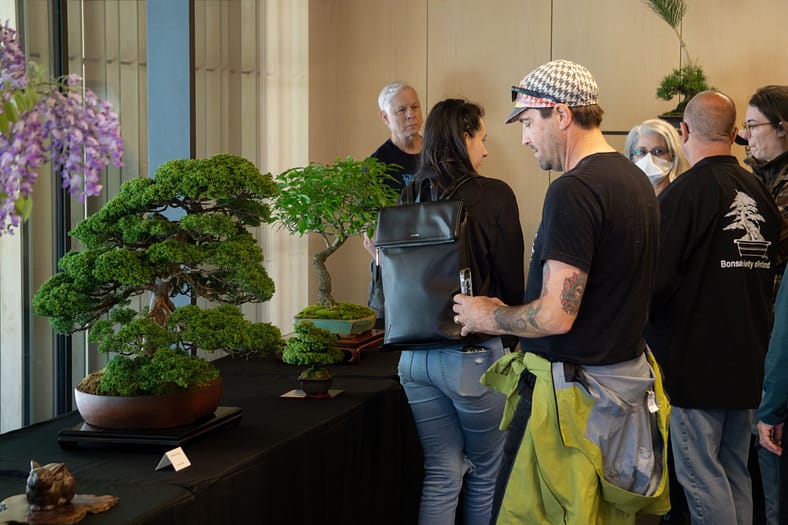
Portland Japanese Garden welcomed the Bonsai Society of Portland (BSOP) for a bonsai exhibition featuring dozens of bonsai from BSOP members’ private collections, including several world-class examples of this ancient Japanese art form. Guests had the chance to see coniferous, deciduous, fruiting, and flowering species, ranging in size from three-foot-tall specimens to tiny shohin trees small enough to hold in the palm of your hand.
May
Kodomo no Hi, Children’s Day
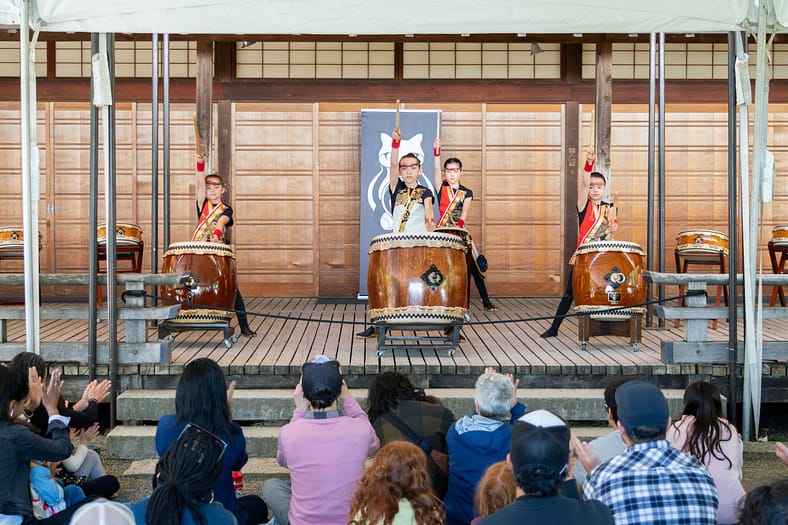
Kodomo no Hi, also called Children’s Day, is commemorated each year in Japan in May to celebrate the growth and good fortune of children. In 2025, Portland Japanese Garden turned Children’s Day into a week-long celebration with vibrant mini koi streamers decorating the Entry Garden, hands-on activities in the Family Studio, and demonstrations and performances that brought the spirit of Children’s Day to life. On the day of the festival, guests had the opportunity to enjoy plenty of family-friendly activities, including origami lessons from expert Yuki Martin, taiko performances by enTaiko, and colorful displays of koinobori, or cloth carp streamers.
Member’s Day Celebrates Garden Supporters and Local Partnerships
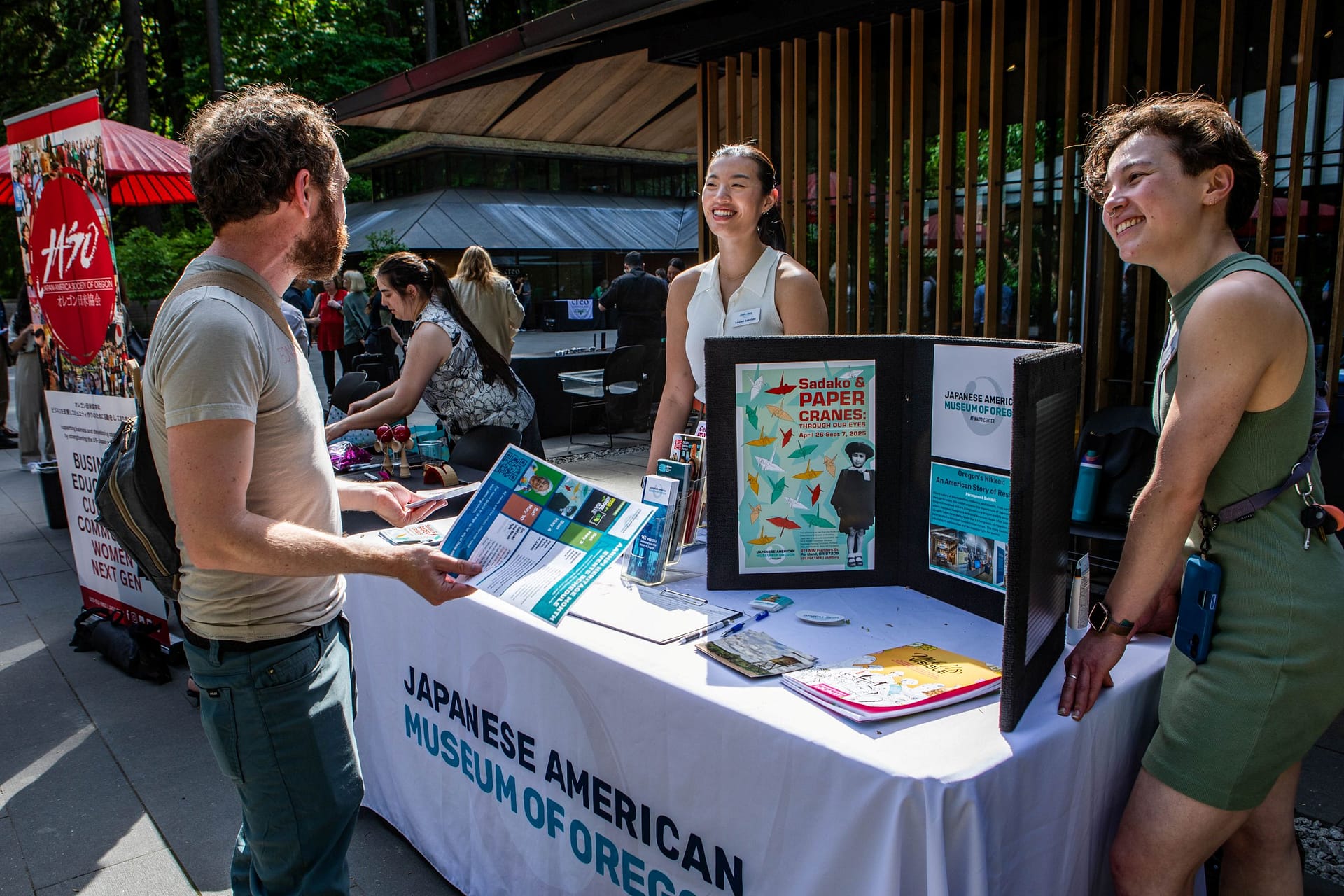
As a special treat for our valued members, the Garden hosted an exclusive opportunity to experience its beauty in a more serene and intimate setting for an afternoon of member appreciation. Our Members’ Day event happens during Asian American Native Hawai’ian Pacific Islander (AANHPI) Heritage Month. Every May, we take time to reflect upon and celebrate the remarkable role of the AANHPI community in our nation’s history. In 2025, our local partners, several of which are representative of the AANHPI community, had a presence at Members’ Day!
TEIEN FORUM 2025 Explores the Global Reach of Japanese Gardens
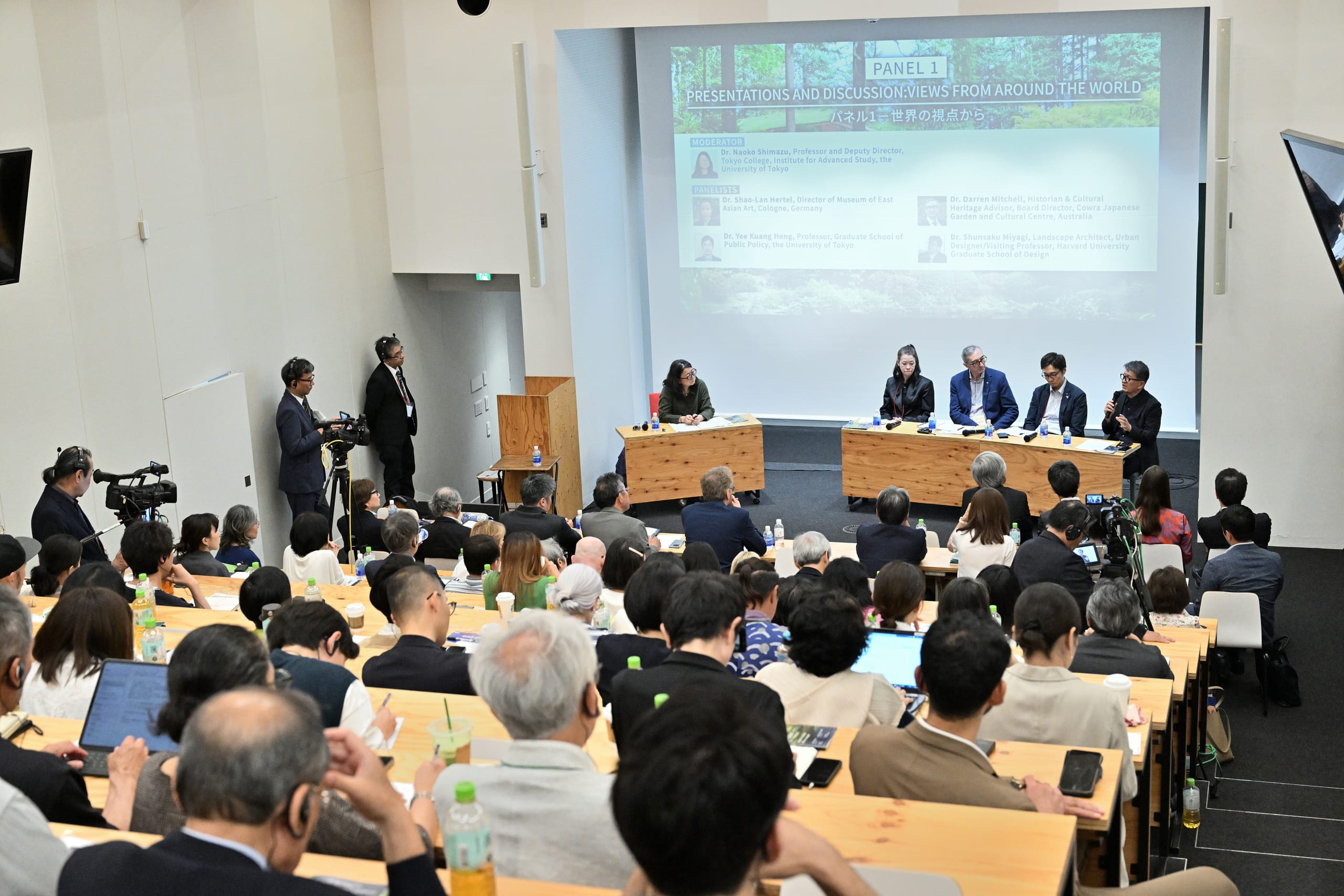
In May, Japan Institute of Portland Japanese Garden co-hosted the second installment of the TEIEN FORUM in Tokyo, Japan with GREEN×EXPO 2027 (Japan Association for the International Horticultural Expo 2027, Yokohama). This gathering, “Japanese Gardens: Why Go Global?”, was a collaboration with the University of Tokyo and explored the international significance of Japanese gardens through conversations and presentations featuring some of the world’s most respected thought leaders in the field.
Students From Hachinohe, Japan Visit the Garden in Special Visit Preceding the Tenth Anniversary of Return of Torii Gate Beams
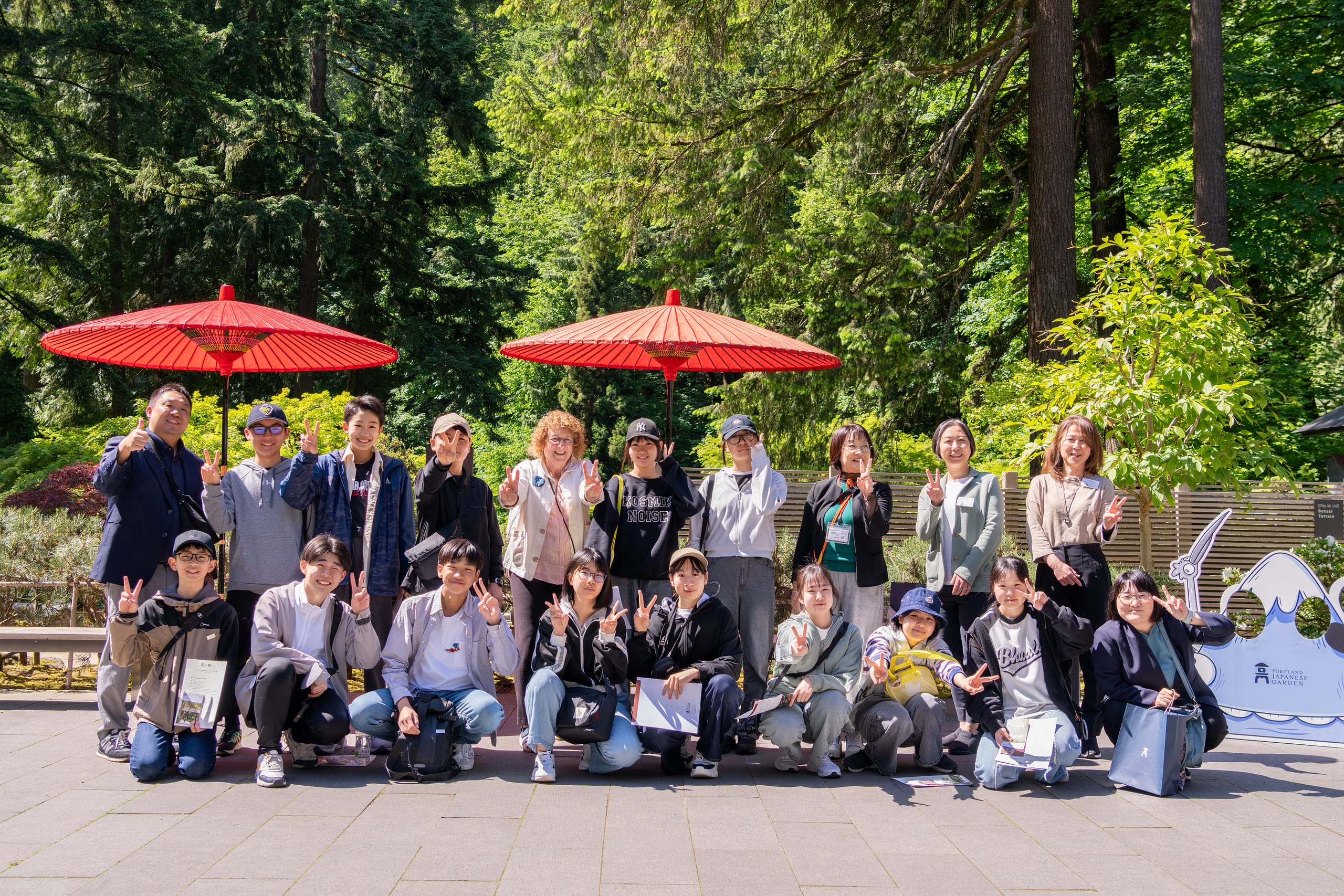
On May 21, Portland Japanese Garden welcomed 13 students representing 13 different junior highs in the City of Hachinohe, Aomori Prefecture. While Hachinohe, nationally renowned for its fishing industry and manufacturing sector, is sister cities with Federal Way, Washington, a special bond exists between their citizenry and Portland through the Garden. In 2013, two nearly identical beams of a torii (Shinto gate) landed on the Oregon coast after having been washed away following the 2011 Great East Japan Earthquake. The leadership team of the Garden at the time underwent a massive undertaking to return these crossbeams to their rightful home at Itsukushima Shrine in Ōkuki, a fishing village within Hachinohe. 2026 will mark the tenth anniversary of the ceremony commemorating the return of the kasagi to Itsukushima Shrine.
Tea Ceremony Workshop Inspires Tranquility and Mindfulness
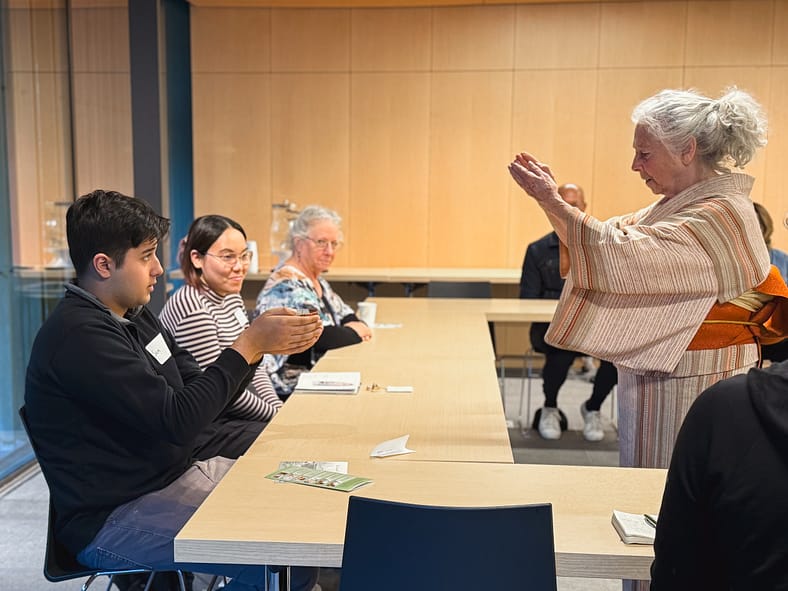
The Tea Ceremony Workshop offered participants a unique opportunity to immerse in the traditional practice of Chanoyu, or the Way of Tea, and experience the art of tranquility, mindfulness, and omotenashi, whole-hearted hospitality. Guided by skilled instructor Jan Waldmann, Sosui, the focus of this workshop was to learn to be a guest in the tea ceremony, an important aspect to this historic tradition. Participants learned the proper etiquette for attending a tea ceremony, including how to receive and take sweets and matcha, and most importantly, the reasons behind each of the steps.
George Takei Narrates Story of His WWII Incarceration in “Lost Freedom: A Memory”
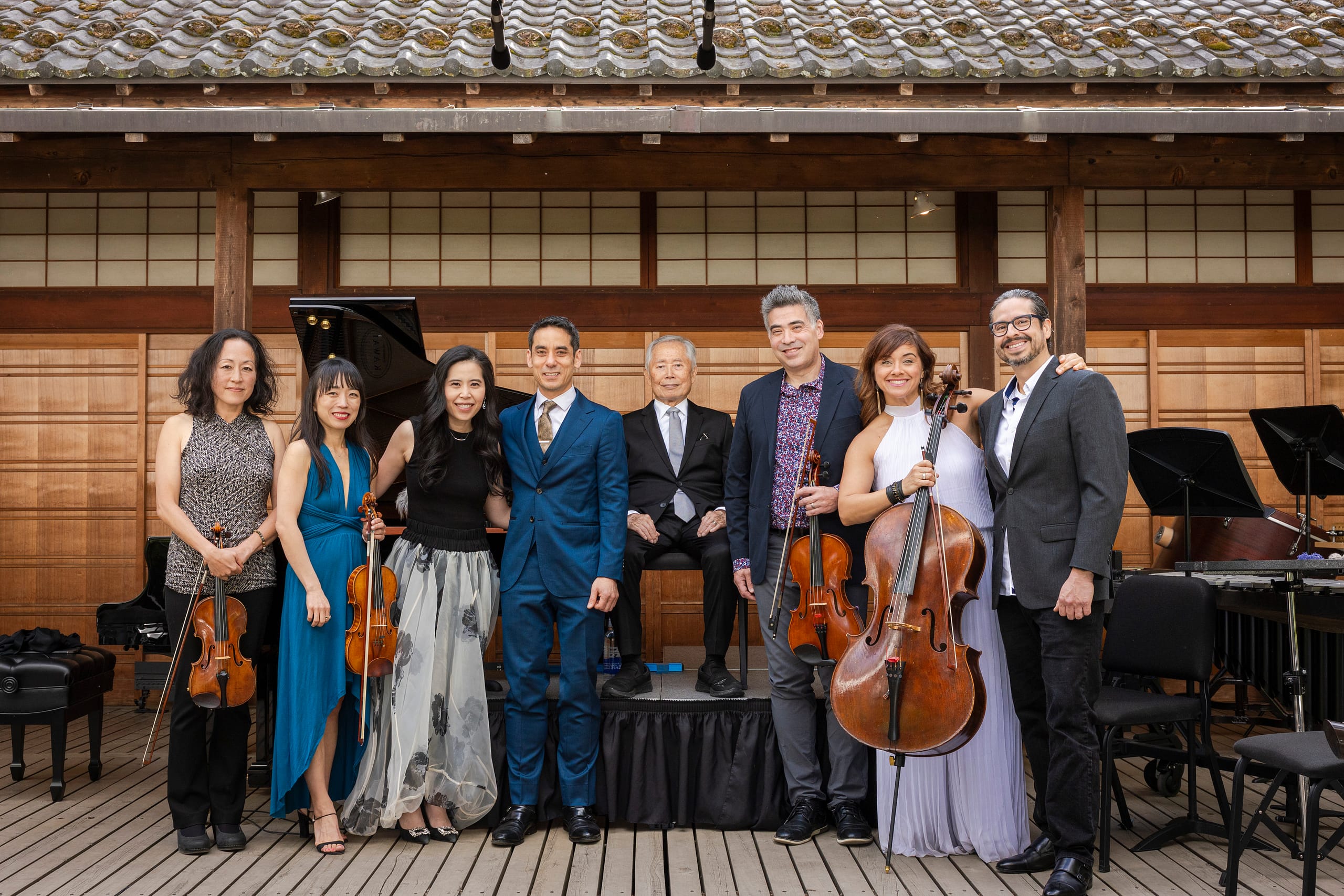
On May 31, Portland Japanese Garden partnered with Chamber Music Northwest to host the West Coast premiere performance of Lost Freedom: A Memory. Inspired by autobiographical accounts of the incarceration of Japanese-American citizens in World War II, the event weaved together music and spoken word in a profound exploration of a chilling time in American history. It featured a live and in-person appearance by pioneering actor, author, and activist, George Takei. Takei, a member of the Garden’s International Advisory Board, narrated his own story as one of the citizens forced from their homes and made to live in desolate camps thousands of miles away. Set to music by composer and violist Kenji Bunch, this poignant program also included music by composer and percussionist Andy Akiho.
June
Portland Japanese Garden Leader Knighted as Part of Portland Rose Festival
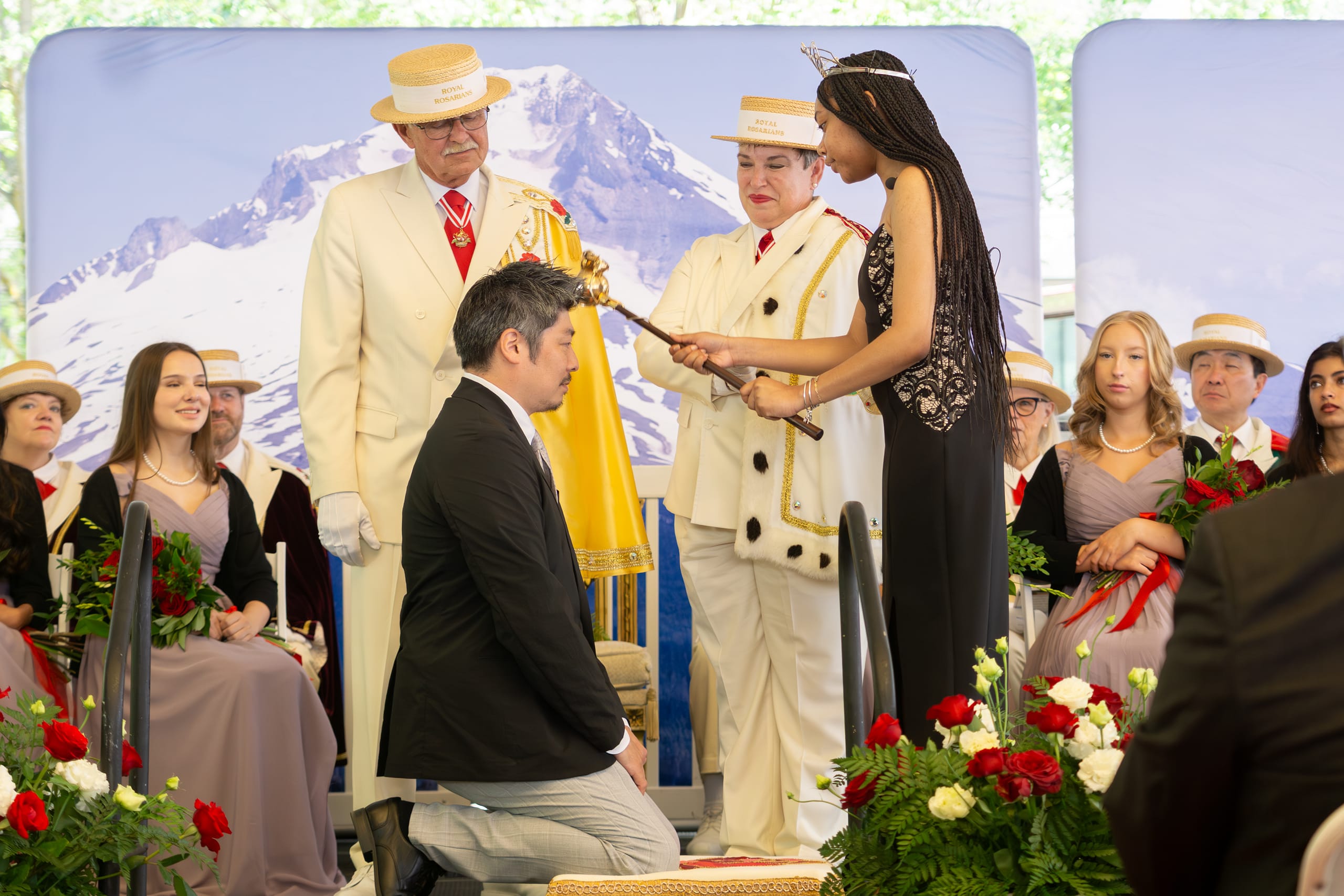
On June 6, Hugo Torii, Garden Curator of Portland Japanese Garden and Director of Japan Institute’s Japanese Garden Training Center, was formally knighted as part of the 2025 Honorary Knighting Ceremony and Rose Festival Queen’s Coronation. It is believed that Torii is the first member of Portland Japanese Garden’s staff to have received this honor.
Katazome Scarf Workshop Creates Hands-On Tie to Summer Exhibition
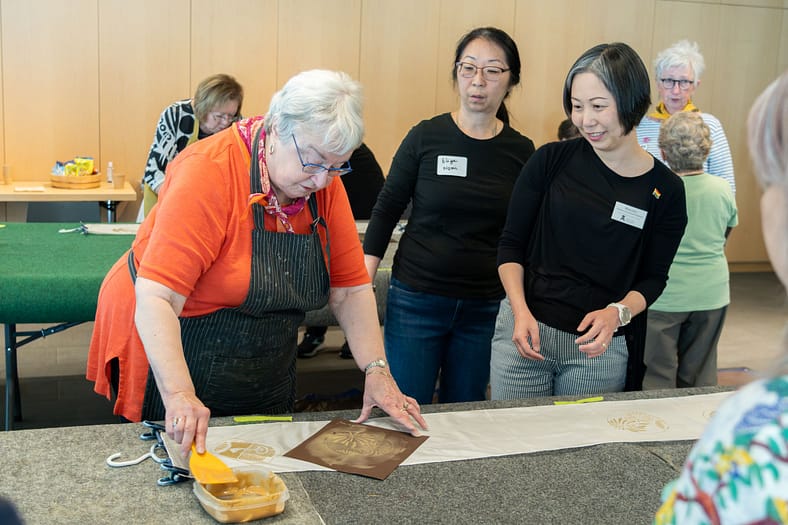
In June, Portland Japanese Garden furthered its partnership with with Karen Illman Miller, a Corvallis-based katazome artist who has worked in the artform since 1994, to provide an introductory workshop. Miller describes katazome, Japanese stencil dyeing, as “a process more like printmaking than painting.” The Garden was thrilled to offer this opportunity for its guests to get hands-on experience as it simultaneously presented Natural Patterns: Katazome Stencil Dyeing in the Calvin and Mayho Tanabe Gallery. During the workshop, participants had the opportunity to apply resist paste, cut a simple stencil and dye an oblong silk scarf using instant-set fiber dye.
Authentic Japanese Wares Featured at Beloved Annual Summer Marketplace
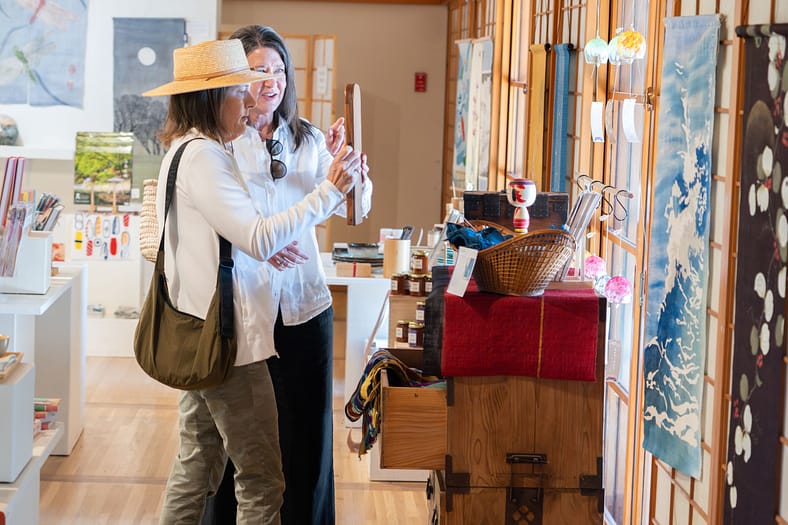
Behind the Shoji is one of Portland Japanese Garden’s most beloved summer traditions, and it made its return once again in 2025. An annual show and sale of Japanese and Japanese-inspired wares, visitors can peruse and purchase from a variety of curated items often unavailable short of a visit to Japan itself. This year, we showcased items that bring the ingenuity and beauty of Japanese design to your home. Visitors had the opportunity to peruse a stunning collection featuring furniture, lighting, and décor, including items like the handsome tansu, handcrafted wooden chests made in Japan during the nation’s Meiji period (1868-1912), from Portland-based antique retailer Shogun’s Gallery.
Japanese Garden Training Center Programs Return with Landscape Lighting Lecture

In 2025, the Japanese Garden Training Center returned with a full slate of programs, the first of which was a lecture, “Niwa Akari: Landscape Lighting in Japanese Gardens.” Tyler Nishitani, a local architect who helped shape Portland Japanese Garden’s award-winning 2017 expansion, moderated a discussion with landscape lighting expert Tim Ryan. Together, they explored the potential of how lighting can complement the aesthetics of Japanese gardens and the technical challenges one must navigate.
Greater Portland Iris Society Celebrates Beauty of Summer Irises
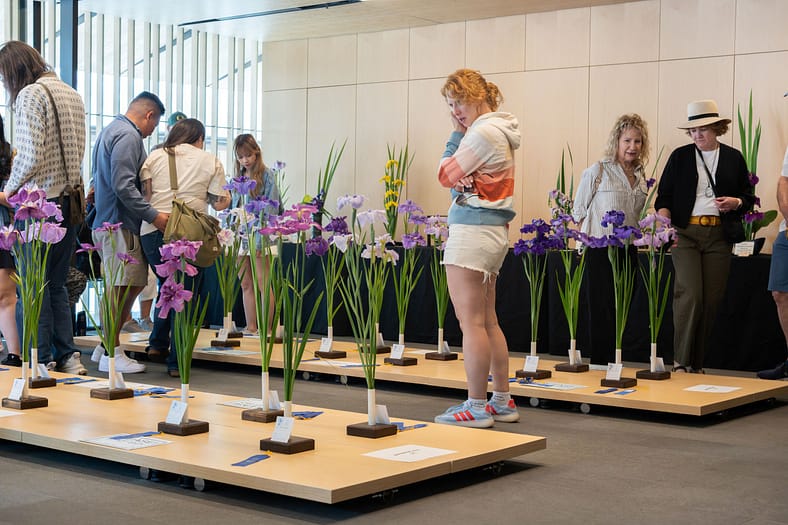
For a one day-only exhibition, the Greater Portland Iris Society presented an ikebana show featuring two varieties of late season irises: iris ensata (Japanese iris) and spuria. Native to Japan, Iris ensata is commonly known as “Japanese iris” outside of Japan. In Japan, 花菖蒲 (hanashobu) have been cultivated for over 500 years. Oregon and Washington are home to three of the nine specialty nurseries specializing in Japanese irises in the United States. As the Garden transforms into a picturesque greenscape, the Japanese iris provide a pop of color as the harbinger of summer. The buds open in late June to reveal flowers nearly six inches across in shades of purple and white.
July
Tanabata, The Star Festival
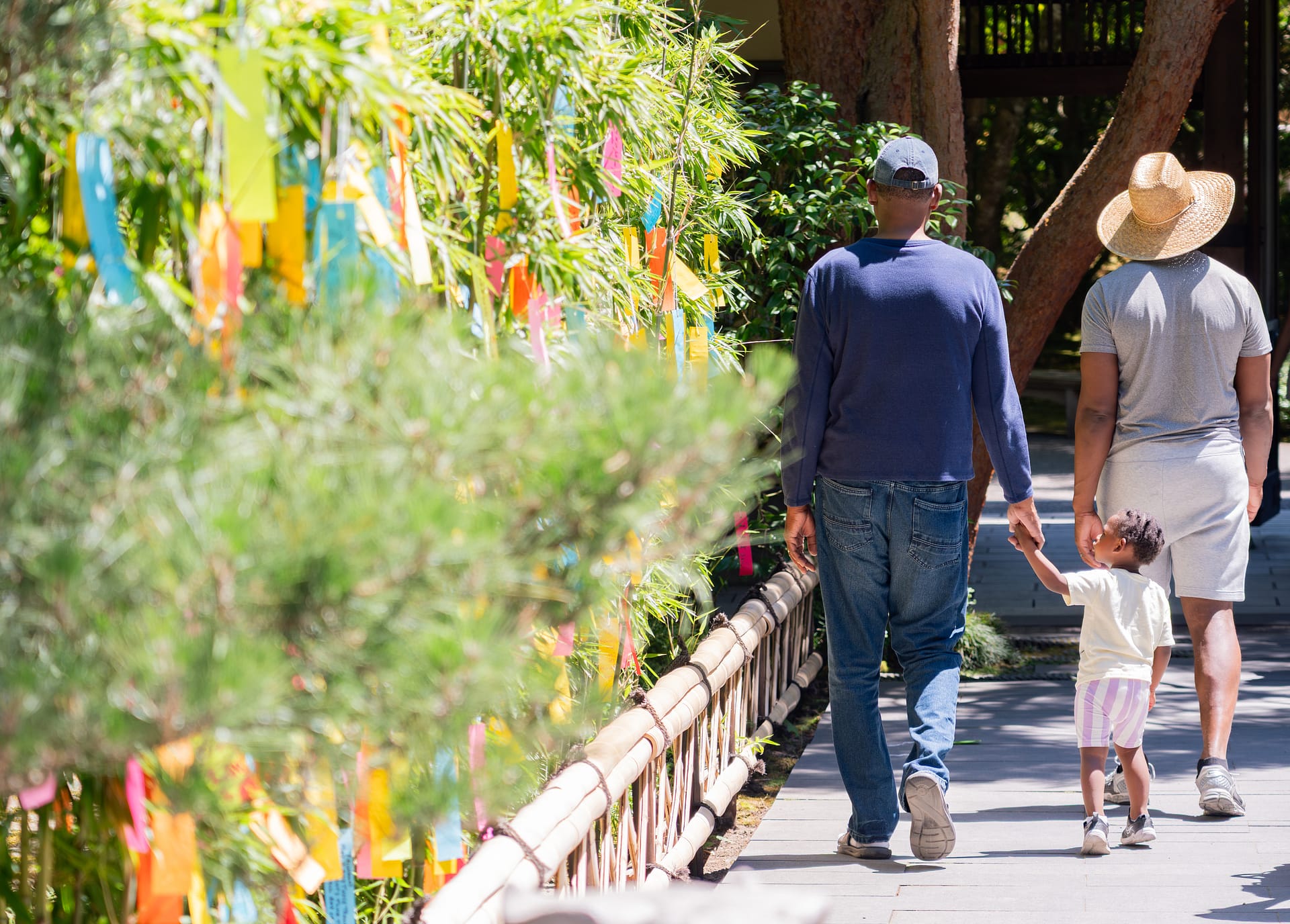
Tanabata, the Star Festival, is one of five seasonal festivals that has been celebrated in Japan since the eighth century. Each summer in Japan, people prepare for the festival by writing their wishes on narrow strips of paper called tanzaku and hanging them with other origami paper ornaments on bamboo branches displayed at the entrance to their homes and public places. Guests attending Portland Japanese Garden’s Tanabata celebration wrote their own wishes on tanzaku and enjoyed lively music from Takohachi and storytelling of the Tanabata story.
Miniature Ikebana Workshop Turns Elegant Artform Tiny
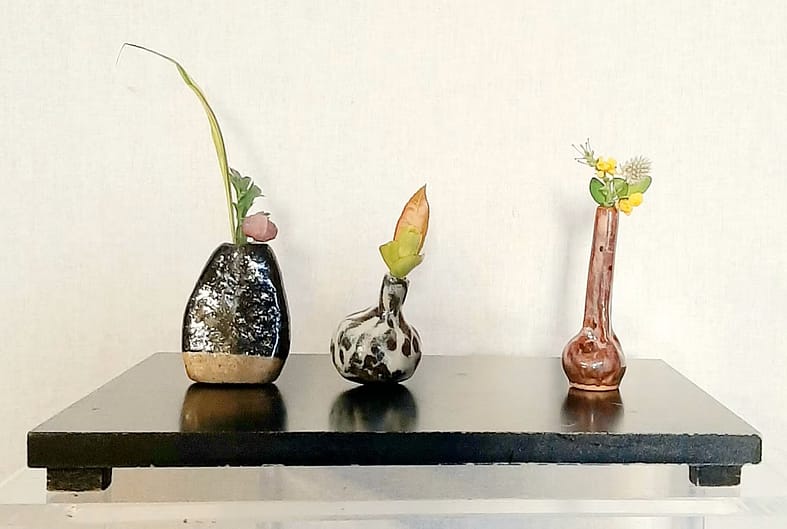
Nana Goto Bellerud, Branch Director of Sogetsu Portland, taught a basic introduction to ikebana, a Japanese and unique approach to flower arrangement that translates to “living flowers” or “giving life to flowers.” She focused on miniature ikebana, adding a layer of nuance to the Sogetsu School of Ikebana’s practice. “When making the miniature ikebana of Sogetsu, we first look for small, used items such as shot glasses or seashells,” Bellerud shared. “Original vessels can be made of soft metals or clay. After the container has been chosen, we consider the plant materials. We carefully observe the different parts–petals, pistils, stamens, fruits, leaves, branches, and stems—to make new discoveries of their distinctive appearance. Then we combine the containers with plant parts to create a unique micro-world.”
Savor Japan Food Pop-Up Highlights Japanese and Japanese-Inspired Flavors
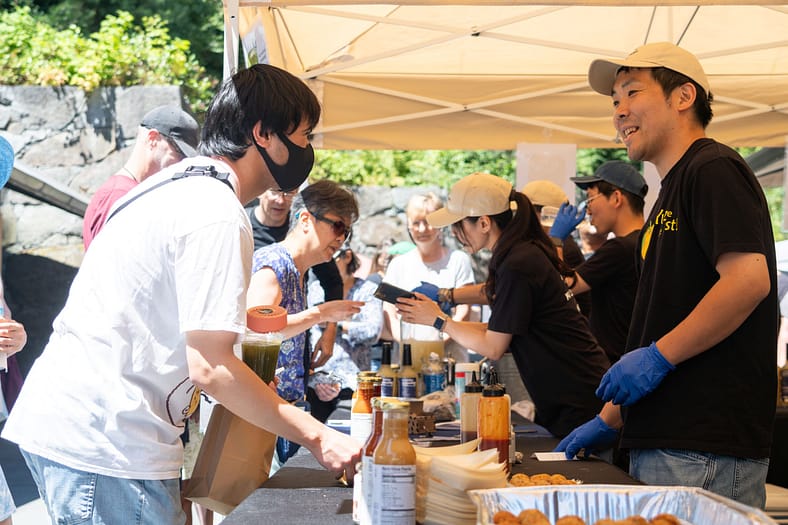
In July, Portland Japanese Garden hosted its first-ever Japanese Food Pop-Up! From July 17-19, visitors had the opportunity to explore a curated selection of ready-to-enjoy Japanese and Japan-inspired dishes, offered by a group of acclaimed local and regional culinary partners including Kuze Fuku & Sons, Oyatsupan, and the Garden’s own Umami Café. Whether craving the comforting flavors of street food or eager to try something new, this three-day event celebrated the rich diversity of Japanese cuisine with something for every taste. Even in the unrelenting summer heat, visitors were able to enjoy their treats comfortably under cozy, shaded seating in the Atsuhiko and Ina Goodwin Tateuchi Foundation Courtyard, made possible through a special partnership with outdoor lifestyle company Snow Peak.
August
Maple Pruning Workshops Led by Garden Curator & Director of Japanese Garden Training Center
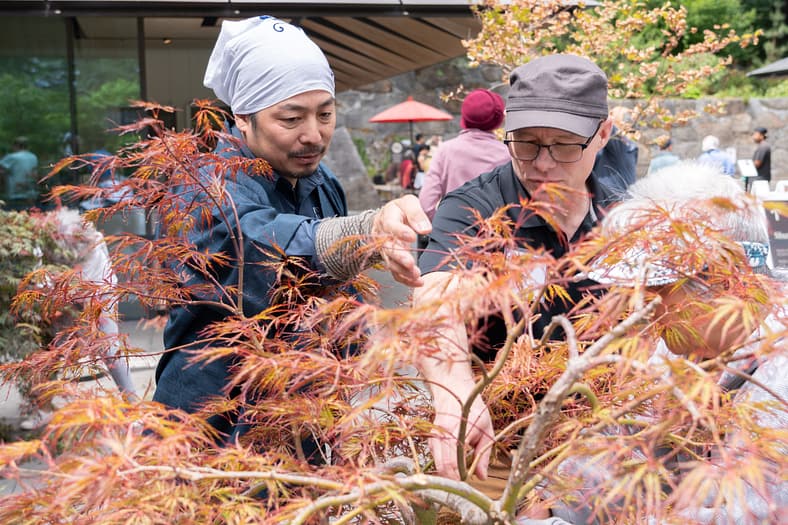
Few aspects of the traditional Japanese garden are as instantly recognizable as the elegant, distinctive contours of a well-maintained Japanese maple. In 2025, the Garden’s Maple Pruning Workshops were conducted by Tim Gruner, an experienced practitioner in Japanese gardening as a guest instructor for the August 2 workshop and by Hugo Torii, Garden Curator and Director of the Japanese Garden Training Center at Portland Japanese Garden on the August 4 workshop. With the Garden as a living classroom, participants received a maple-focused tour, learned the fundamentals of maple pruning through a lecture, and put their pruning methods and techniques to the test under the guidance of Hugo, Tim, and a staff gardener.
O-Bon, The Spirit Festival
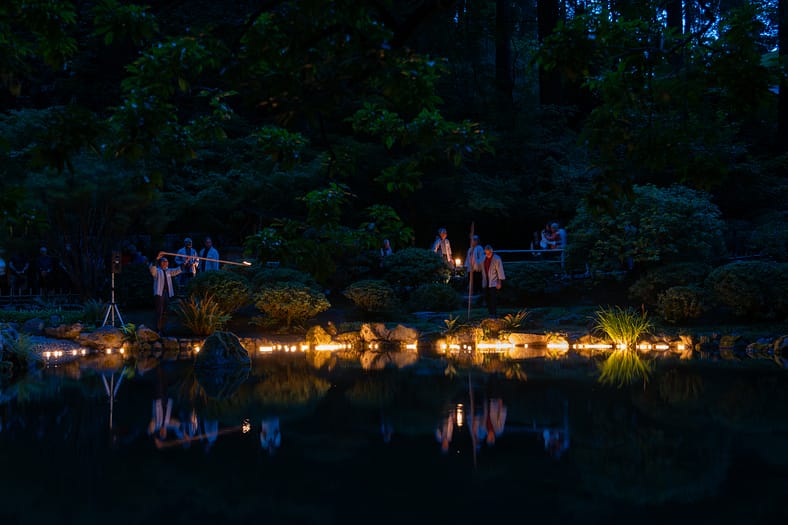
Portland Japanese Garden members were invited to take part in O-Bon, the Spirit Festival, an important Buddhist festival to honor ancestors and pray for the souls of the departed. During the magical hours of dusk in the Garden, Garden members joined us as we paid tribute to the memory of loved ones. O-Bon is both one of Portland Japanese Garden’s longest-held traditions and biggest events of the year. Reverend Zuigaku Kodachi, who proposed the idea of hosting the Spirit Festival to our organization in 1976, has introduced members of all religions and backgrounds to the Buddhist tradition of honoring the departed for close to half a century.
Bon-Odori, The Summer Festival

A highlight of summer festivals in Japan is the bon-odori (盆踊り/ Bon dance). Each region in Japan has their own version of the dance, as well as different music. In Japanese Buddhist tradition, bon-odori is a way to entertain and send off the spirits of our ancestors and celebrate life. Dancers circle the yagura, a high wooden bandstand for the musicians and singers. At Portland Japanese Garden, dances were taught by Chris Dart and demonstrated by dancers from Oregon Buddhist Temple to the sound of taiko drums.
Senator Tom Harkin Visits Portland Japanese Garden
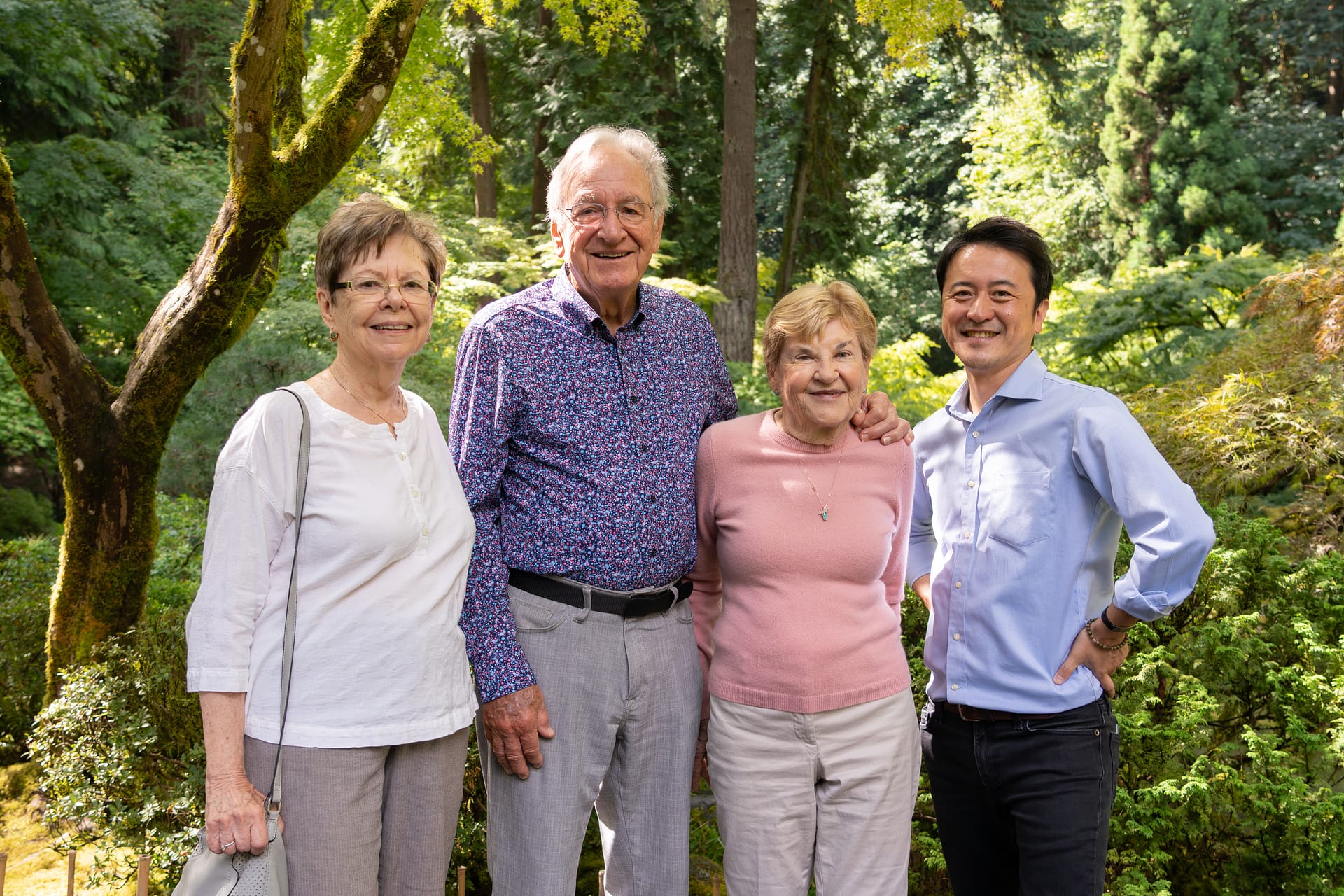
In August, retired U.S. Senator Tom Harkin, his wife Ruth Harkin, former county attorney and author, and his sister-in-law Jean Harkin, also an author, visited Portland Japanese Garden for a tour of the landscape and to reconnect with Aki Nakanishi, Director of the Japan Institute and Arlene Schnitzer Curator of Culture, Art, and Education.
September
Waza to Kokoro: Japanese Garden Training Center’s Flagship Program Returns
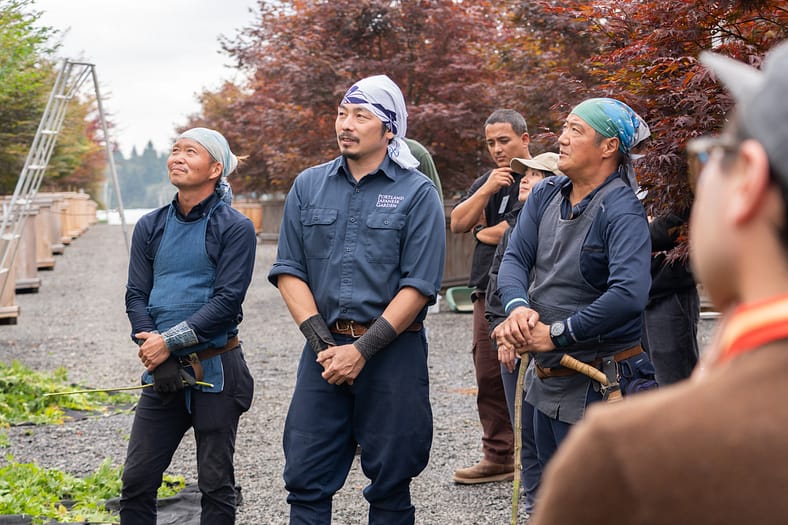
In September, the Japanese Garden Training Center, one of Japan Institute’s programming centers, saw the return of Waza to Kokoro. This flagship program helps Japanese gardens outside of Japan find authentic, locally-appropriate solutions in design, construction, maintenance, and preservation. It is designed for professionals working in Japanese gardens, but is also open to landscape design and construction professionals as well as students of landscape-related disciplines. Seminar participants embarked on a one-week intensive course, building a foundation through expert-led presentations on Japanese aesthetics, tea, and Japanese garden design, then put their knowledge to the test through hands-on stone and pruning workshops.
Ohara School of Ikebana Show Brings Master Professor Hirokazu Yokohigashi for Solo Exhibition
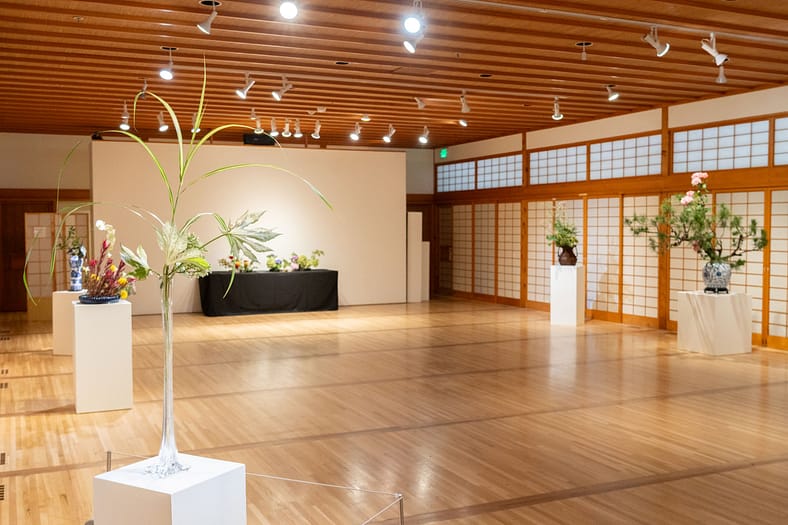
Portland Japanese Garden held a special two-day ikebana exhibition featuring arrangements created by visiting Master Professor Hirokazu Yokohigashi in the Pavilion. Yokohigashi, who began his studies of ikebana in 1967, is an award-winning master of ikebana and has won multiple awards and prizes at various ikebana contests and exhibitions in Japan. This solo exhibition showcased his exquisite artistry in arrangements made for participants attending the North American Ohara Teacher’s Association’s annual conference in Portland.
Designing Nature: Elements of Harmony Reveals Japanese Garden Design

Japanese gardens are living expressions of harmony—where nature is shaped by human hands and guided by the heart. Portland Japanese Garden’s final exhibition of 2025 (running into 2026), Designing Nature, invited guests to explore the history, traditions, and philosophies behind this timeless art form—revealing the depth, intention, and beauty that define Japanese garden design. Whether you’re seeking a quiet moment of reflection, a deeper connection to the natural world, or a spark of creative inspiration, the Garden welcomes all who enter. This exhibition represents a collaboration between Portland Japanese Garden’s two curators, Aki Nakanishi, Director of Japan Institute and Arlene Schnitzer Curator of Culture, Art, and Education, and Hugo Torii, Garden Curator and Director of the Japanese Garden Training Center.
October
O-Tsukimi, The Moonviewing Festival

Moonviewing, or O-Tsukimi in Japanese, is the practice of gazing at the full moon and enjoying its sacred beauty. Since 1990, Portland Japanese Garden has scheduled this beloved annual event to coincide with the harvest moon, which occurs anytime from September to early October. Guests enjoyed a bento-style meal from Obon Shokudo and beverages from Joto Sake and Pfriem Family Brewers, the gentle sound of shamisen (three-stringed instrument) and shakuhachi (bamboo flute) music while strolling the lantern-lit garden, a candle-lit tea ceremony, and a special display of ikebana accompanied by tsukimi dango.
Visiting Instructors From Saga Goryu Headquarters Hold Ikebana Demonstration at Portland Japanese Garden
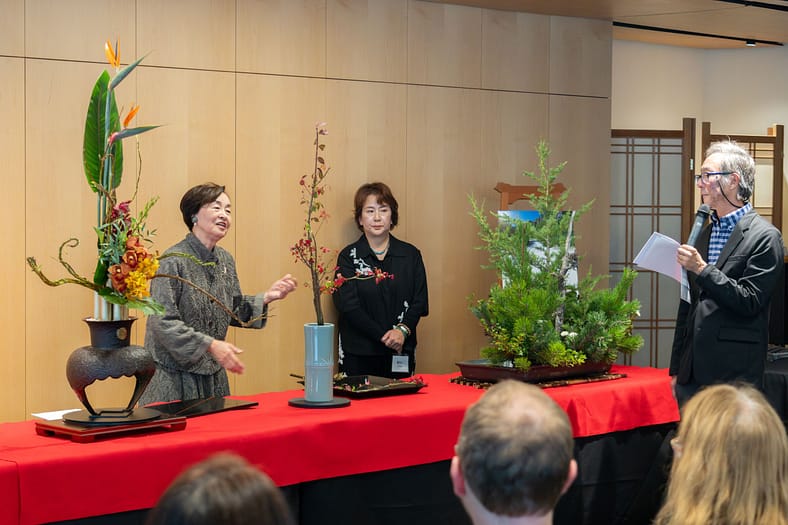
In October, the Garden was honored to host a special ikebana demonstration featuring visiting instructors Hoin Horii Setsuho and Hori Yukiho from the Saga Goryu Headquarters in Kyoto, Japan. This demonstration was presented in celebration of the 85th Anniversary of the Saga Goryu North America Chapter, honoring the theme: 紡 – 過去・現在・未来の夢をつむぐ (Tsumugu – Weaving Dreams of Past, Present, and Future.)
Sculpture by Acclaimed Artist Jun Kaneko Generously Donated to the Garden
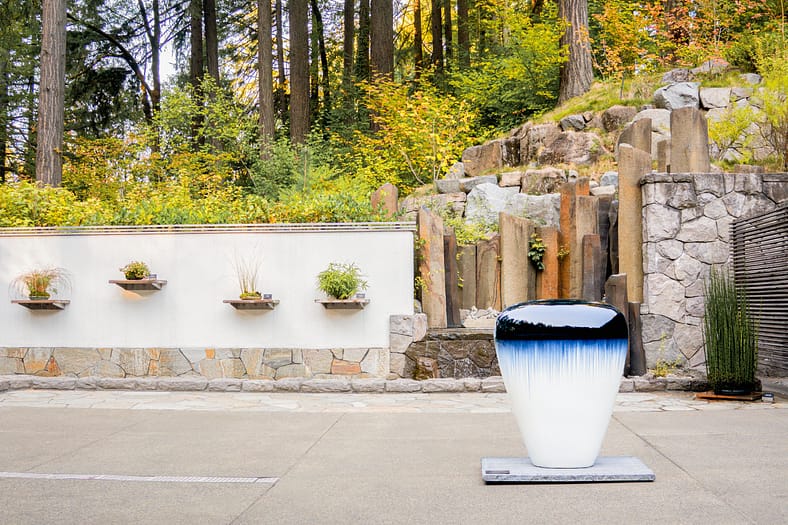
A vivid blue and white design, bringing to mind a waterfall or falling rain. A quiet elegance, and an iconic silhouette. Portland Japanese Garden was honored to showcase Untitled (Dango), a beautiful sculpture by famed Japanese-born artist Jun Kaneko in the Garden’s Jubitz Oregon Terrace. Untitled (Dango) was generously donated by Travers Hill Polak to Portland Japanese Garden in 2024. Ms. Polak, a longtime patron of the organization and formerly a member of its Board of Trustees, encountered Kaneko’s work in the exhibition Garden of Resonance: The Art of Jun Kaneko, which took place at the Garden in Fall 2022.
Training Center Workshop Teaches Bamboo Fence Construction

This Japanese Garden Training Center workshop, held at the Garden, taught participants to design and build a bamboo fence panel using traditional materials and techniques. The learning experience included a tour of the Garden focusing on bamboo fences, lectures, demonstrations with hands-on tool practice, and a knot-tying session. After the demonstrations, participants applied their new skills to build a Japanese bamboo fence under the guidance of staff gardeners.
International Tea Practitioners Host Special Tea Ceremony Demonstrations at the Garden

In Japanese, cha means tea, and kai is the word for meeting or gathering. Portland International Chakai represents a gathering of tea practitioners from around the world. On October 17, teachers and their students from three distinct schools of tea—Urasenke, Omotesenke, and Ueda Soko—gave public Tea Ceremony demonstrations throughout the day at Portland Japanese Garden.
Intricately Crafted Bamboo Sculpture by Anne Crumpacker Featured in the Cultural Village
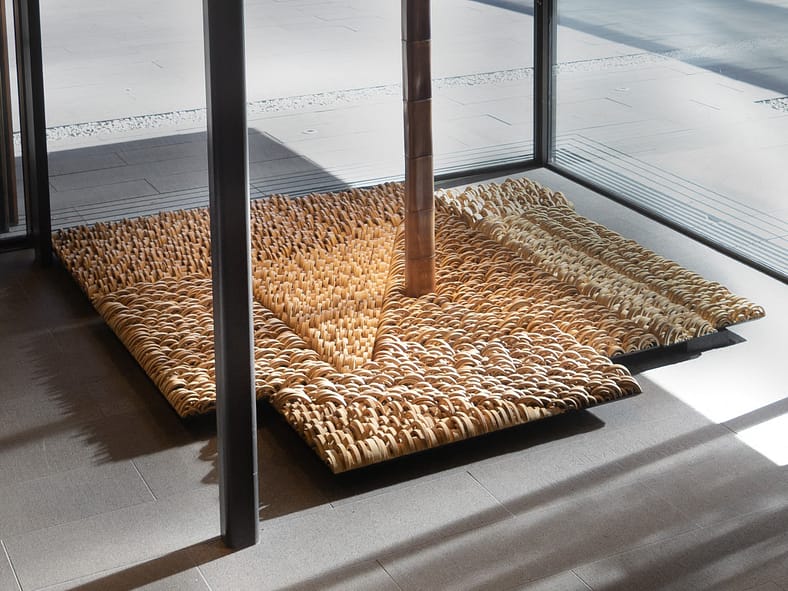
In the fall of 2025, Portland Japanese Garden was honored to display Cross Currents by Portland-based bamboo artist Anne Crumpacker as part of its exhibition, Designing Nature: Elements of Harmony. Crumpacker’s work was installed in the Cathy Rudd Cultural Corner for a special viewing period from October 18 through Monday, November 17. Generously donated to Portland Japanese Garden in 2024 by Ann and Mark Edlen, this artwork was originally debuted at the Garden in 2012 as part of the exhibition Bamboo Art: Meditation and Transformation, which showcased Crumpacker’s artwork alongside two other contemporary bamboo artists, Charissa Brock and Jiro Yonezawa.
Ikebana International Show Celebrates the Chrysanthemum Festival
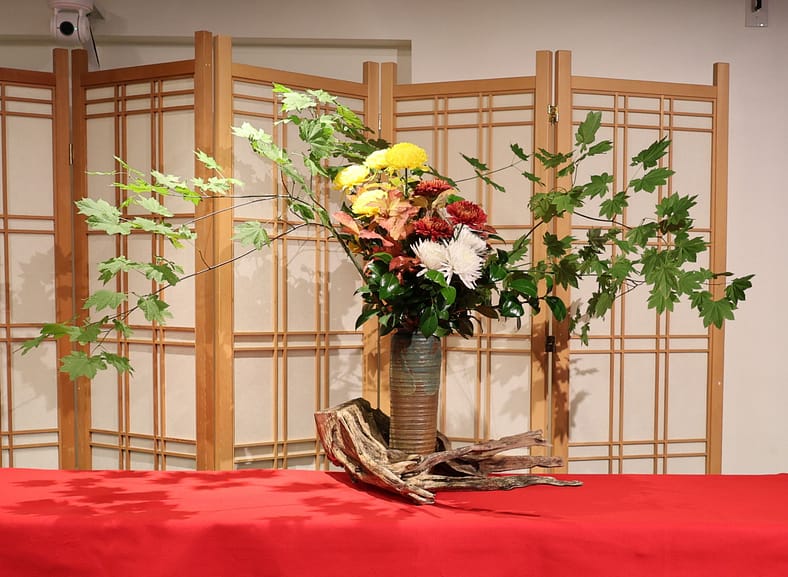
Ikebana International (Portland Chapter #47) celebrated the chrysanthemum in a special, two-day only exhibition in the Yanai Classroom. Ikebana International first celebrated Kiku Matsuri, the Chrysanthemum Festival, at Portland Japanese Garden in 1983. Local ikebana artists from various schools, or styles, created arrangements featuring chrysanthemums, known as kiku in Japanese. Kiku Matsuri, or Choyo no Sekku, observed in Japan on September 9, is the final of the five seasonal Go-Sekku festivals in Japan’s traditional lunar calendar. Chrysanthemums symbolize longevity, dignity, and nobility.
Curator Emeritus of Portland Japanese Garden Receives Lifetime Achievement Award from North American Japanese Garden Association

In October, the North American Japanese Garden Association (NAJGA) gathered for its annual conference at the Missouri Botanical Garden in St. Louis. Among the various events was a special reception on October 16, in which esteemed members of the NAJGA community were recognized for their service to the organization and the field of Japanese gardens writ large. Among those who received a lifetime achievement award was Sadafumi (Sada) Uchiyama, Curator Emeritus of Portland Japanese Garden and formerly its Garden Curator (2008-21) and Chief Curator (2021-23).
Volunteer Generosity Leads to Purchase of New Tatami Mats for Tea House
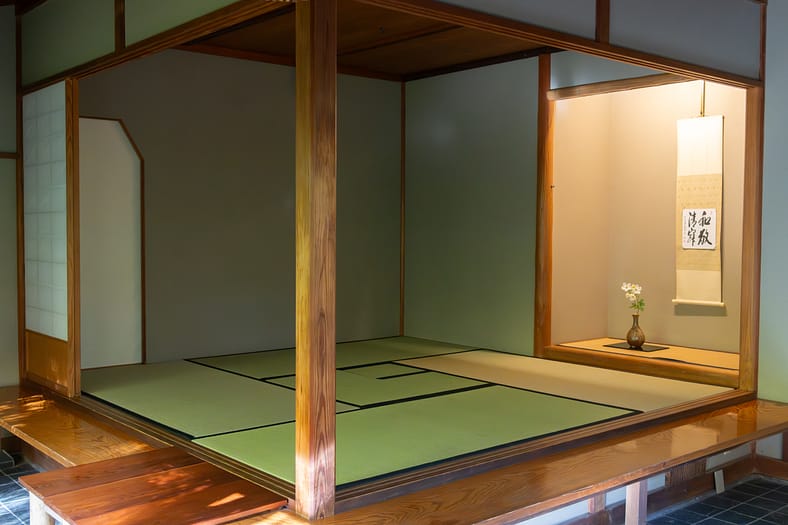
In October, Portland Japanese Garden refreshed its Kashintei Tea House by adding new tatami mats thanks to generous support from its volunteers. As with all items that appear in its historic spaces, Portland Japanese Garden engaged in a thoughtful process to make sure that its new tatami would be sourced from a reputable craftsperson. Hugo Torii, Garden Curator and Director the Japanese Garden Training Center, decided to purchase the new mats from the Tokyo-based Morita Tatami Mat Maker, a family-owned business in operation since the early 1930s.
November
Joto Sake Presents Sake Tasting Event
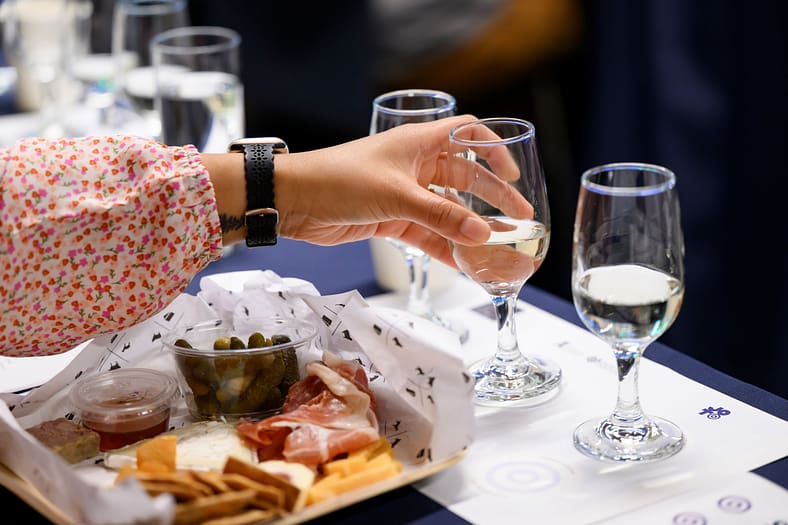
This exciting and exclusive afternoon tasting featured products from Joto Sake, Portland Japanese Garden’s official sake partner. Founded in 2005, Joto is one of the leading artisanal portfolios of its kind in the U.S. They represent ten multi-generational, family-owned jizake (local) breweries located throughout Japan. Joto presented six special sake offerings paired with small bites. Yuto Someya, Western Region Sake Specialist for Joto Sake at Kobrand Corporation, walked guests through the structure, history, and brewing process of a variety of sakes that are deeply connected to Japanese culture.
Japanese Pruning Specialist Leads Pine Pruning Demonstration
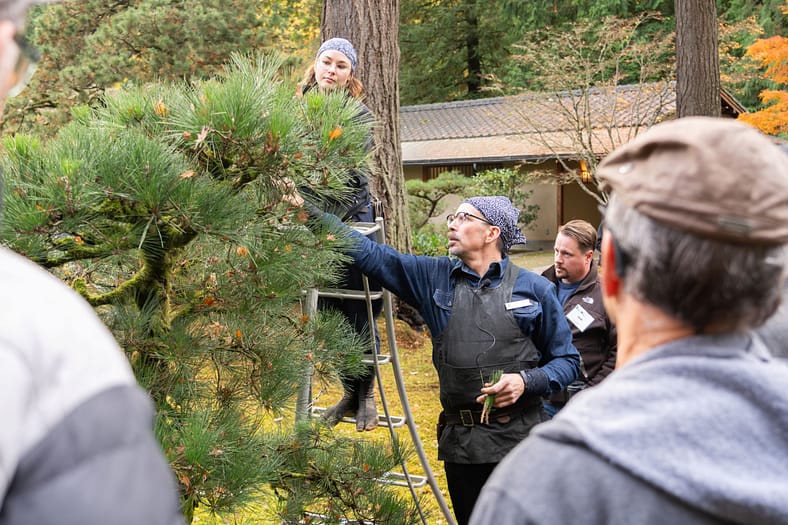
Pruning pines to achieve the look they have in spaces like Portland Japanese Garden requires meticulous care and years of learning. In this demonstration, Pete Putnicki, Japanese Pruning Specialist and former Senior Gardener at Seattle Japanese Garden, discussed the maintenance of pine trees in the Japanese Garden Training Center’s final program of 2025. This program started with a tour of the Garden focusing on pine trees, followed by a lecture and demonstration. The demonstration focused on candling, needling, growth regulation, and pruning techniques.
Sogetsu School of Ikebana Presents Fall Show
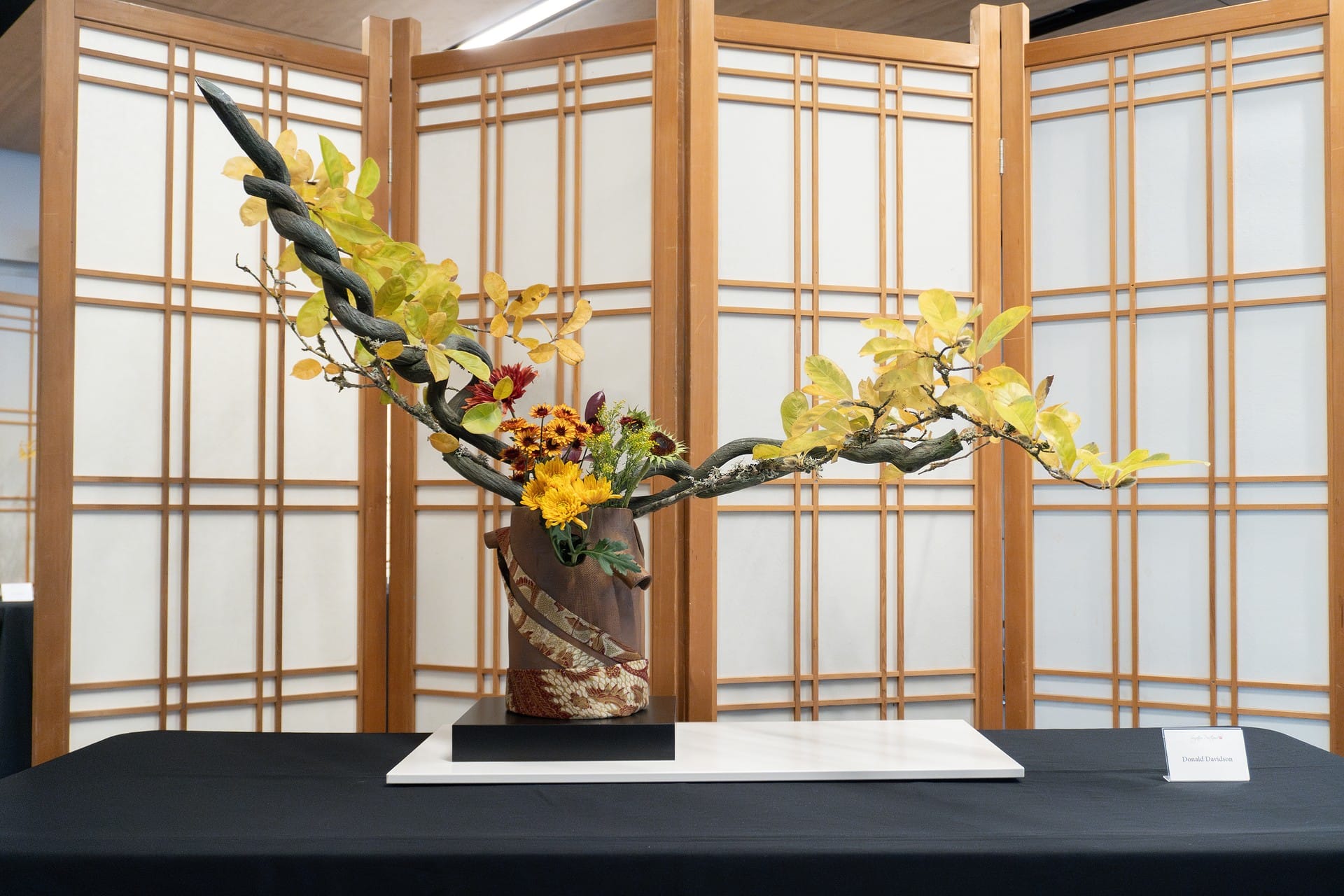
The Sogetsu School of Ikebana believes ikebana can be practiced anytime, anywhere, by anyone. In November, local artists from the Sogetsu Portland Branch created a wide range of styles from basic to abstract which used objects of sculptural intent and character. The three main elements designers used are line, mass, and color, with an emphasis on the designer’s individual artistic expression and creativity. The show also featured an ikebana demonstration by Nana Bellerud, Branch Director of Sogetsu Portland, in the Cathy Rudd Cultural Corner.
Portland Japanese Garden Participates in Trade Mission Led by Oregon Governor Tina Kotek

In October, Portland Japanese Garden was delighted to participate in a trade mission led by Oregon Governor Tina Kotek. As was reported by The Oregonian earlier in the year, Governor Kotek had traveled overseas to Japan and South Korea “to expand opportunities for trade and tourism between the state and the countries.” Included in this itinerary was a meeting between Aimee Kotek Wilson, First Lady of Oregon and Misako Ito, Executive Director of the Garden’s Japan Office in Tokyo. Ito and the First Lady discussed cultural ties between Oregon and Japan and Portland Japanese Garden’s position as a bridge in this diplomatic pursuit.
December
Yukizuri Return to Portland Japanese Garden
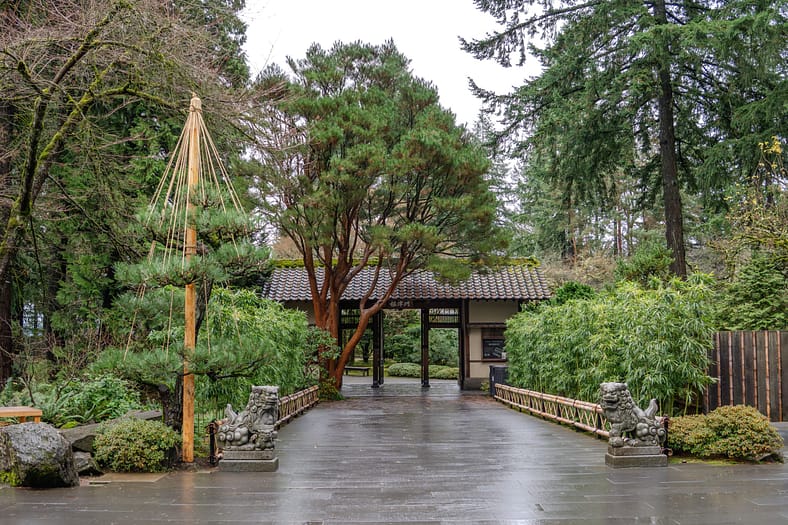
Visitors to Portland Japanese Garden in winter will be able to see additions to its grounds that have only recently returned since the 1990s: yukizuri (sometimes transliterated as “yukitsuri”). Yukizuri (雪吊り) are aesthetically pleasing support systems that protect and prepare trees for winter—yuki means “snow” and zuri or tsuri means “lifting.” In this we understand precisely how they help protect trees: Straw ropes are cast down from a central pole, almost like the frame of an umbrella. The ropes are then tied to branches to help lift them up with the thought being they’ll better withstand the weight of heavy snowfall or frost.
Portland Photographer Stu Levy Discusses Finding Inspiration in the Garden

In December, Portland photographer Stu Levy held a fascinating artist talk, in conversation with Aki Nakanishi, Director of Japan Institute and the Arlene Schnitzer Curator of Culture, Art, and Education, touching on the diverse influences on Levy’s own practice, including the roots and history of nature photography, documenting the American rock scene of the 1960s, and his training with renowned artist Ansel Adams, as well as the inspiration that Levy found in documenting scenes from Portland Japanese Garden. A selection of Levy’s meditative black-and-white photography was featured in our final exhibition of 2025, Designing Nature: Elements of Harmony.
2025 in Review
Read more about all the many events, gatherings, updates, news, and coverage of Portland Japanese Garden that took place in 2025: