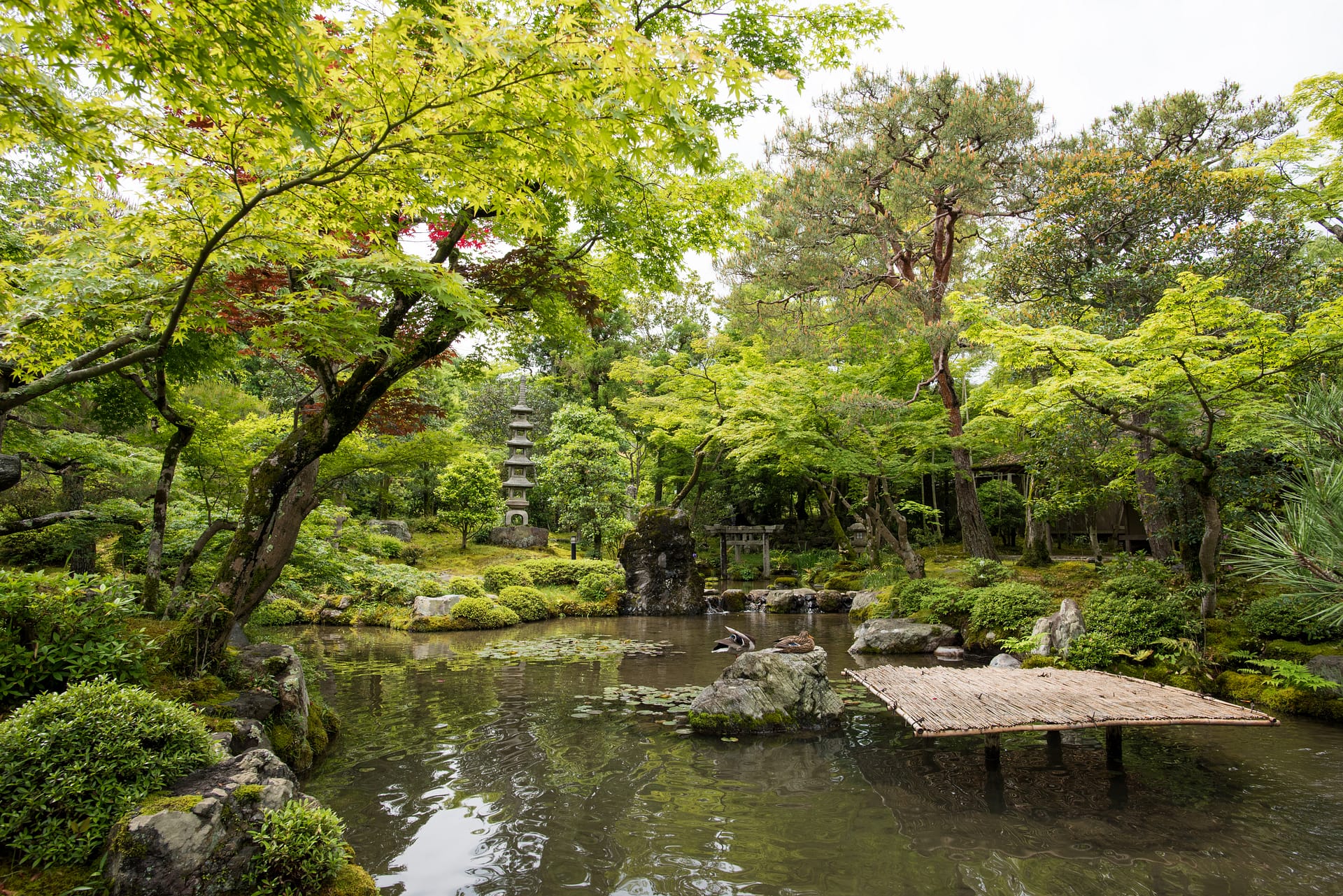
In the 1960s, Professor Takuma Tono of the Tokyo Agricultural University decided to create different garden styles within Portland Japanese Garden so it could serve as a living classroom on these landscapes throughout history. This spirit of education, integral to the organization’s establishment, continues to grow today. Among the ways this is seen is through “Meet the Niwashi,” a series of digital meetings that connect Portland Japanese Garden’s gardeners with experts at Ueyakato Landscape, a Kyoto-based company that offers landscape gardening services, including planning, design, construction, maintenance, and management.
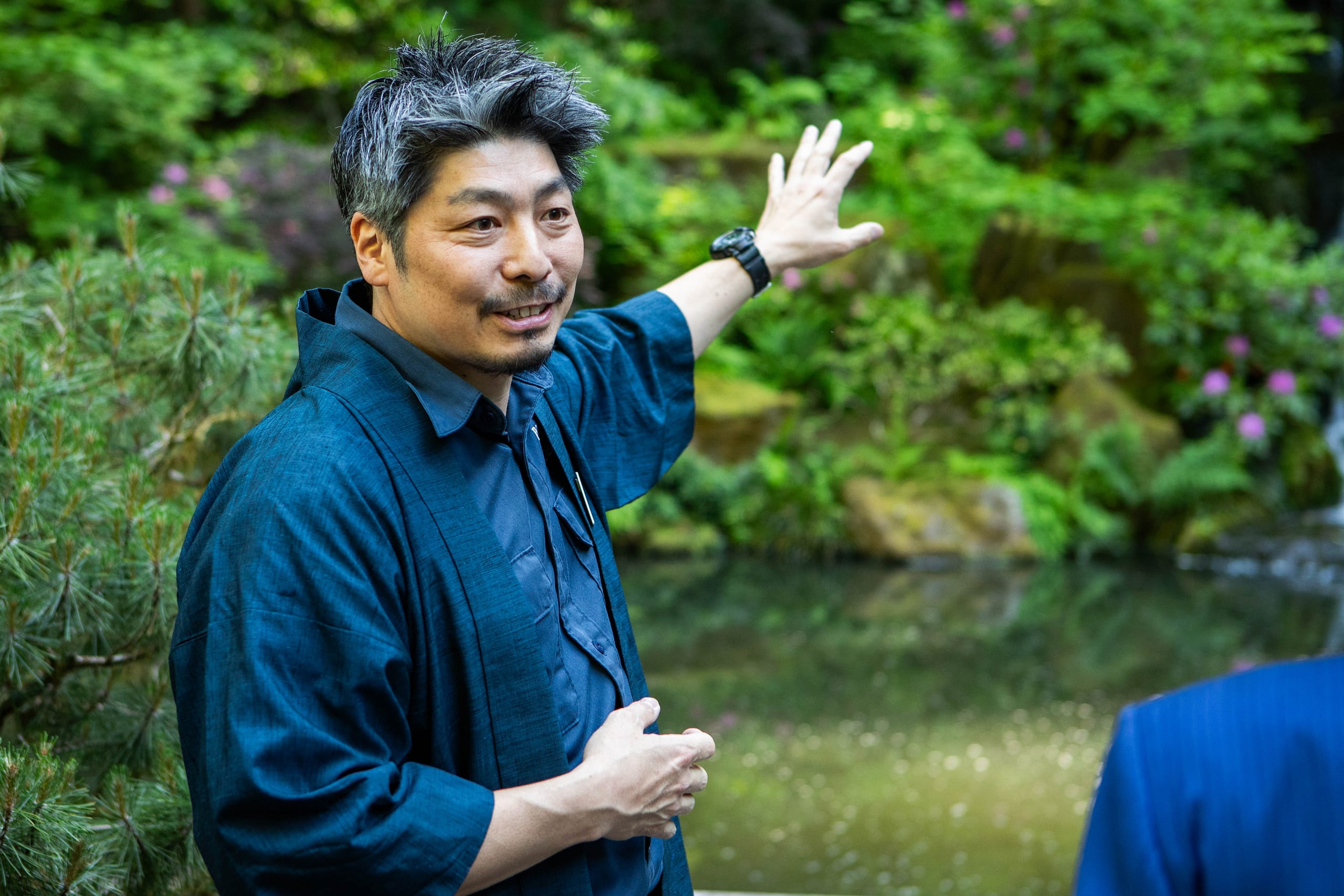
“Meet the Niwashi” launched at the Garden in 2022 in partnership with Ueyakato Landscape under the oversight of Hugo Torii, Garden Curator of Portland Japanese Garden and Director of the Japanese Garden Training Center. Prior to moving to Portland, Torii had worked for Ueyakato Landscape, managing projects such as the Japanese garden and greeneries for the nearly 60-acre Keihanna Commemorative Park, the strolling pond garden at the Yosui-en Garden, and annual maintenance of pine trees at Nijo Castle.
The sessions connect Portland and Kyoto, typically at the end of business day here in Oregon and the start for those in Japan. As Ueyakato Landscape notes, these rare opportunities to learn directly from their experts have covered subjects including pine needling, how to use teboki (Japanese hand brooms), moss care, and more. While the expert may change from session to session, these meetings typically include the coordination and assistance from Michael Shapiro, who serves as a researcher and translator for Ueyakato Landscape.
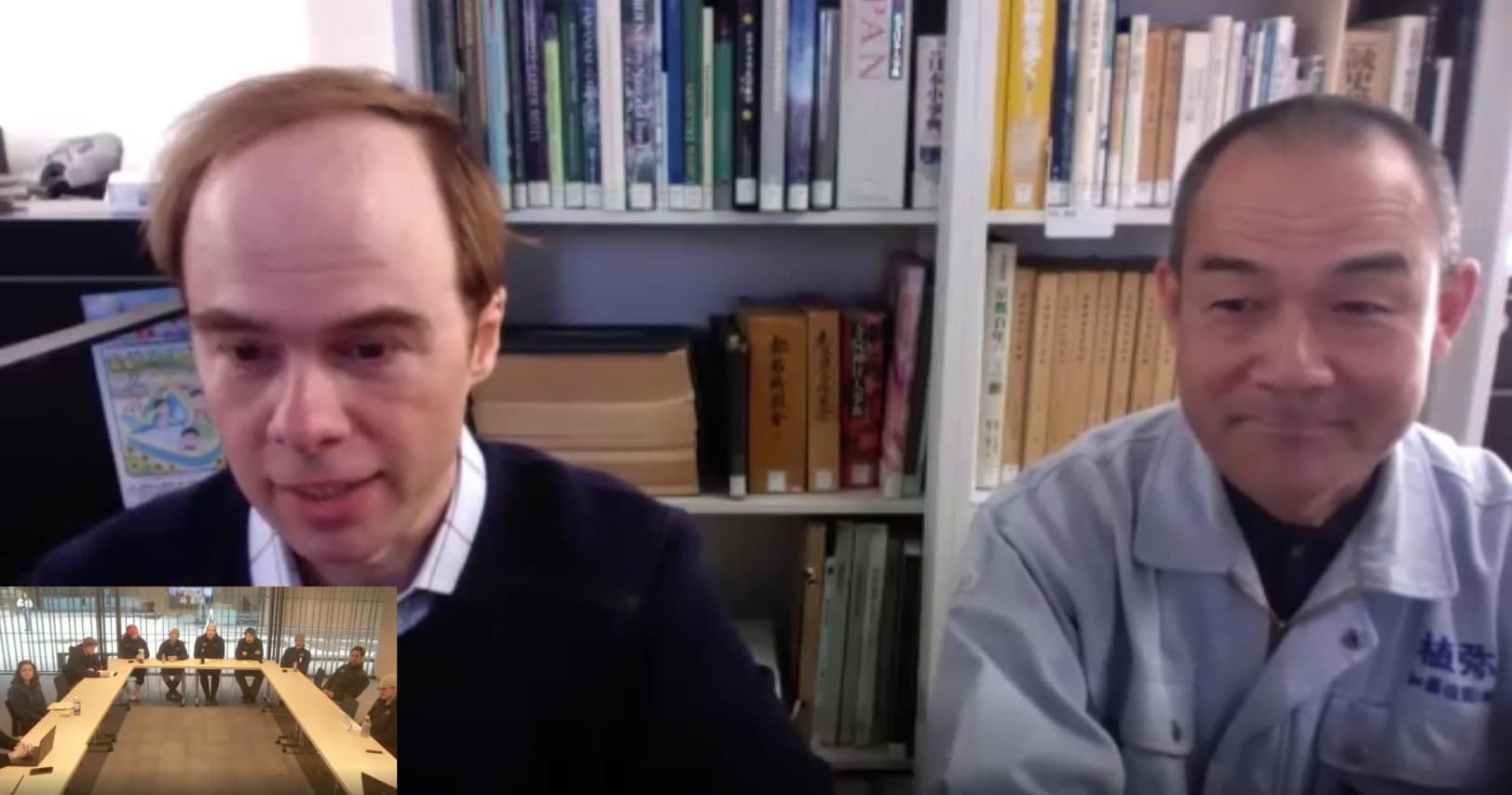
In October, Torii and his team gathered to meet with Shigeyoshi Takemura for the most recent iteration of “Meet the Niwashi.” Takemura has worked with Ueyakato Landscape for nearly a quarter-century, including nearly 20 years as head gardener at Kyoto’s Nanzen-ji Temple, a nationally designated historic site. He connected with Portland alongside Shapiro and discussed cleaning Dainei-ken Garden, a sub-temple of Nanzenji. After watching a video of the cleaning process, gardeners were able to ask hyper-specific questions, such as decisions that go into how much bark one should remove from a tree. In all, it’s a valuable means of helping gardeners in Portland with the practical knowledge of task prioritization when time is limited in the Garden.
“The process of learning never ends when it comes to Japanese gardens because they are constantly changing,” shares Torii. “It can be for many reasons, such as the environment of a place modifying because of climate change. It can be because people’s tastes and perspectives, and thus, their needs from a garden, have evolved and certain functions have changed. Even if there wasn’t this amount of constant shifting and readjusting, there is a complexity that even the most dedicated student can never grasp in its entirety. The skilled gardener is not someone who claims to know everything. The skilled gardener is the one who has the discipline to keep learning, has the awareness that wisdom might come from unexpected sources, and has the ability to execute based on this knowledge.”
In addition to “Meet the Niwashi,” Torii has led and championed the Professional Gardener Work Exchange Program in which Portland Japanese Garden either welcomes practitioners from similar organizations or sends its own staff to those organizations, all with the intention of information sharing. To learn more about the exchange program, read this profile on our guest from Brooklyn Botanic Garden.