Cultural Lecture: Japan’s Architectural Cultural Heritage and Traditional Building Arts presented by Kominka Collective
Event Information
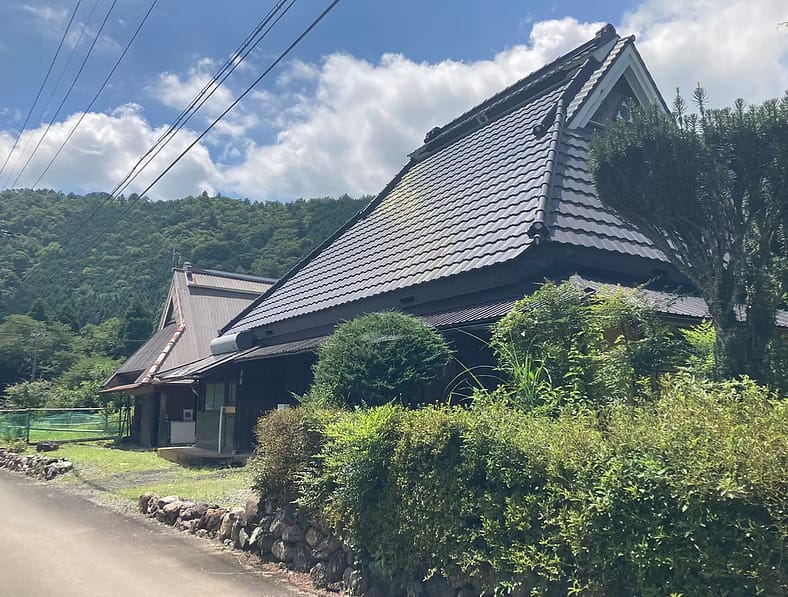
Join us for a free lecture introducing traditional Japanese architecture and efforts to preserve it in the Jordan Schnitzer Japanese Arts Learning Center. Traditional Japanese architecture often features wooden structures with tiled or thatched roofs, and customizable interiors with sliding doors used in place of walls. Types of buildings that embody the architecture and cultural essence of Japan’s part include minka (traditional Japanese farmhouses), machiya (historical townhouses), kura (storehouses), Buddhist temples and Shinto shrines.
These buildings are appreciated for their aesthetics and craftmanship. Unfortunately, many of these structures are vacant and being torn down. For example, timber-framed homes in rural areas known as kominka (ko means old and minka folk house) are being torn down by the thousands each year in Japan. These buildings celebrated for their craftsmanship, use of local materials, and ability to harmonize with their surrounding environment are disappearing at alarming rates.
That is where groups like the Kominka Collective come in. Their presentation will focus on:
- “Satoyama” or coexisting with nature: How Kominka farmhouses, temples, shrines, and other traditional wooden structures have shaped Japanese rural communities for generations.
- The materials, tools, and techniques used in traditional Japanese construction.
- The challenges of preserving endangered buildings and traditional structures.
- How these buildings are documented, dismantled, transported, reconstructed, and adapted for contemporary uses while maintaining their histories and craftsmanship.
- The value of preserving existing buildings and traditional building methods through sustainability, stewardship, and material reuse.
About Kominka Collective
Kominka Collective is a Japan-based nonprofit organization dedicated to the preservation, study, and thoughtful reuse of traditional Japanese architecture in communities across Japan. They work with craftspeople, communities, and partners to support the continued life of kominkan and related structures and the knowledge they hold.
Speaker bios:
Andrea Carlson

Director of Programs, Education & Research, Kominka Collective, a Japan-based nonprofit organization in Aichi Prefecture
Andrea Carlson works to support the preservation, documentation, stewardship, relocation, reconstruction, adaptive reuse, and public interpretation of traditional Japanese architecture through the Kominka Collective. Her work includes educational programs, exhibitions, public presentations, architectural study tours, cultural exchange initiatives, and research related to Japan’s built cultural heritage and traditional building arts.
She also serves as Director of Programs & Initiatives for the Minka Preservation Society. Andrea is Professor Emeritus at Aichi Prefectural University and a Visiting Researcher at the Anthropological Institute at Nanzan University.
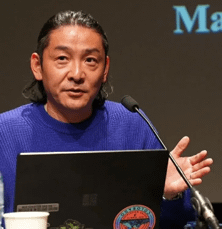
Koji Toda

Preservation and Adaptive Reuse Specialist, Toda Komuten (Shinshiro, Aichi Prefecture)
Koji Toda oversees the traditional architecture, preservation, relocation, reconstruction, and adaptive reuse work of Toda Komuten, a family-run design-build company in Shinshiro, Aichi Prefecture, with roots in the Taishō era and a long tradition of wooden architecture.
He has coordinated the preservation, relocation, reconstruction, and renewal of endangered traditional Japanese structures for cultural institutions, Japanese gardens, retreat centers, and private clients in Japan and overseas. He also supports workshops, educational programs, and cultural exchange initiatives related to traditional Japanese building arts and heritage preservation.
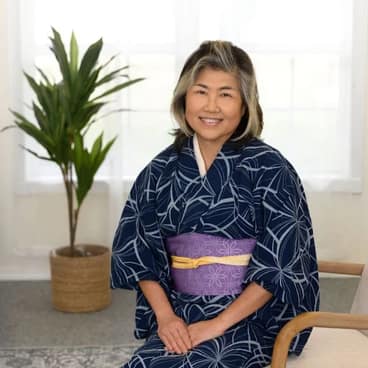
Kiyomi Koike

Founder, Zen House Kominka (Wallowa County, Oregon)
Kiyomi Koike is the founder and host of Zen House Kominka in Wallowa County, Oregon, a home created through the adaptive reuse of the timber frame and reclaimed architectural components of a traditional Japanese farmhouse that was carefully dismantled in Aichi Prefecture, Japan, and reimagined using both reclaimed and contemporary materials.
A tea master, she develops educational and cultural programs that explore Japanese aesthetics, mindfulness, and the relationship between architecture, nature, and well-being. Her work also draws upon contemplative practice to encourage thoughtful engagement with the built environment and the ways in which physical spaces influence attention, perception, and human experience.
Thank You to Our Event Sponsors
Portland Japanese Garden would like to thank James F. and Marion L. The Miller Foundation , Oregon Arts Commission, and Toshiba International Foundation for their support of arts and culture programming.