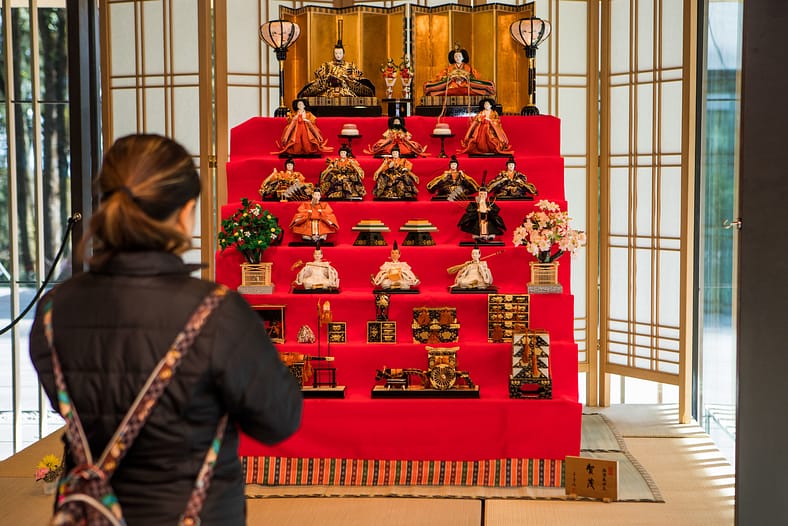
Hina Matsuri, also called Doll’s Day or Girl’s Day, is celebrated each year in Japan on March 3 to celebrate the happiness, growth, and good health of girls. In Japan, families with daughters mark the festival by displaying intricately crafted hina dolls dressed in ornate costumes several days before the festival. Visitors can view and take photos with a traditional display of hina dolls in the Cathy Rudd Cultural Corner in the Jordan Schnitzer Japanese Arts Learning Center.
March 3 is also called Momo-no-Sekku, or Peach Blossom Festival, because according to the lunar calendar peach blossoms were in full bloom on this day. It was also believed that peach blossoms had the power to drive away evil spirits. Many families in Japan display sprigs of peach blossoms together with hina dolls. At Portland Japanese Garden, an ikebana arrangement by Nana Bellerud, President of Ikebana International Portland Chapter #47 and Branch Director of Sogetsu Portland, will accompany the display.
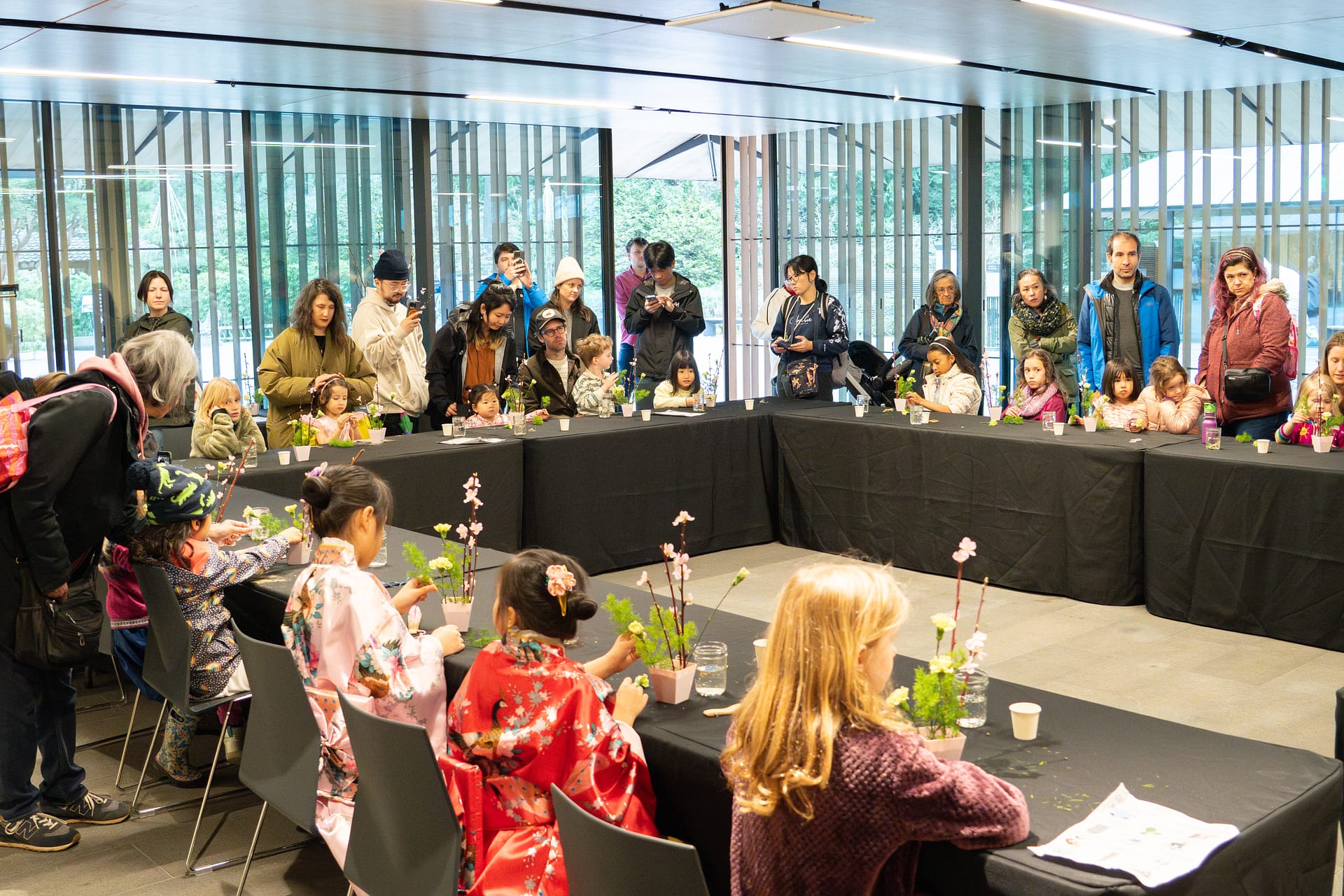
Festival visitors may sign up to participate in a family-friendly ikebana class, led by Nana Bellerud, to learn the fundamental foundations of ikebana. Each ikebana workshop can have 20 attendees on a first come first served basis with children being prioritized. The workshops in the Yanai Family Classroom will take place at the following times:
Members-only workshop: 9:30 – 10:00 am
10:30am-11:00am
11:30am -12:00pm
12:30pm-1:00pm
In the Jane Stimson Miller Living Room, two family-friendly performances by Kotori Kai Shamisen School and Takohachi will feature shamisen (three-stringed traditional Japanese musical instrument), dancing, and singing.
1st performance: 10:45am – 11:15am
2nd performance: 11:45am – 12:15pm
Hina Matsuri Events
Portland Japanese Garden is celebrating Hina Matsuri throughout late February and early March! Make sure you plan your visit today so you can attend these specially themed events.
- Hina dolls on display in the Jordan Schnitzer Japanese Arts Learning Center from February 18 to March 2.
- The Family Studio, located in the Lemelson Studio, will feature Hina Matsuri coloring and origami projects from February 21st to March 1st from 9am – 4 pm
- Cultural Demonstration: Kimekomi Ningyo (Kimekomi Dolls): Saturday, February 21st / 1:15 PM – 2:15 PM
- Cultural Talk: Hina Dolls by Tsuru Tuenge: Sunday, February 22nd / 1:15 PM – 2:15 PM
About Hina Matsuri
Hina Matsuri is said to have originated in the Heian period (794-1185), a time when people believed that dolls had the power to drive away evil spirits. Paper or straw hina dolls were set afloat on boats down the river and out to sea, sweeping away troubles and bad spirits. This tradition, called nagashi bina, still takes place in some regions in Japan.
The tradition of displaying hina dolls at home began during the Edo period (1603-1868) and still takes place today. Traditionally, parents or grandparents purchase a set of hina dolls following the birth of a girl. In some instances, the dolls are passed down from previous generations.
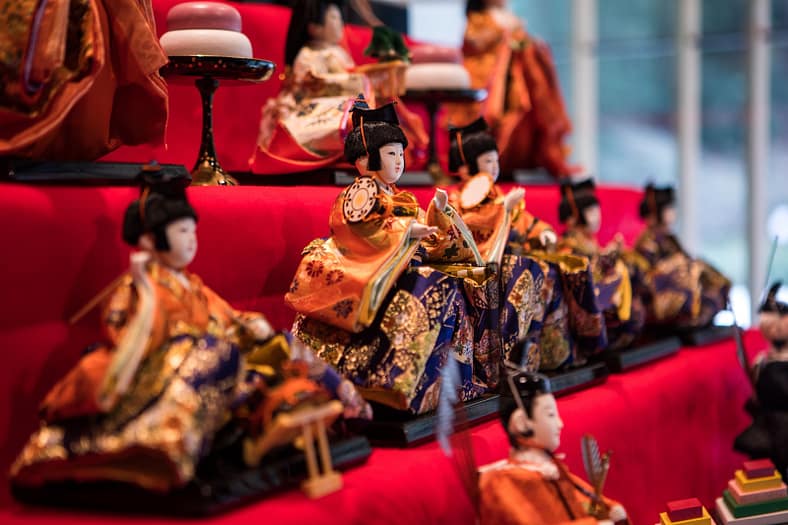
Hina dolls are displayed on a tiered platform (hina dan) covered with a red carpet (dankake). The top tier holds the two imperial dolls. The Emperor holds a ritual baton and the Empress a fan. The following tiers hold their attendants: the second tier holds three court ladies (san-nin kanjo). Each lady holds ceremonial sake equipment. The third tier holds five court musicians (gonin bayashi) each holding a musical instrument, except the singer who holds a fan. The fourth tier holds two ministers (udaijin and sadaijin), the one on the right (Minister of the Left) being older and higher ranking. The three court attendees (sannin jogo) on the fifth tier each show angry, merry, and sad faces.
2026 Cultural Festivals at Portland Japanese Garden
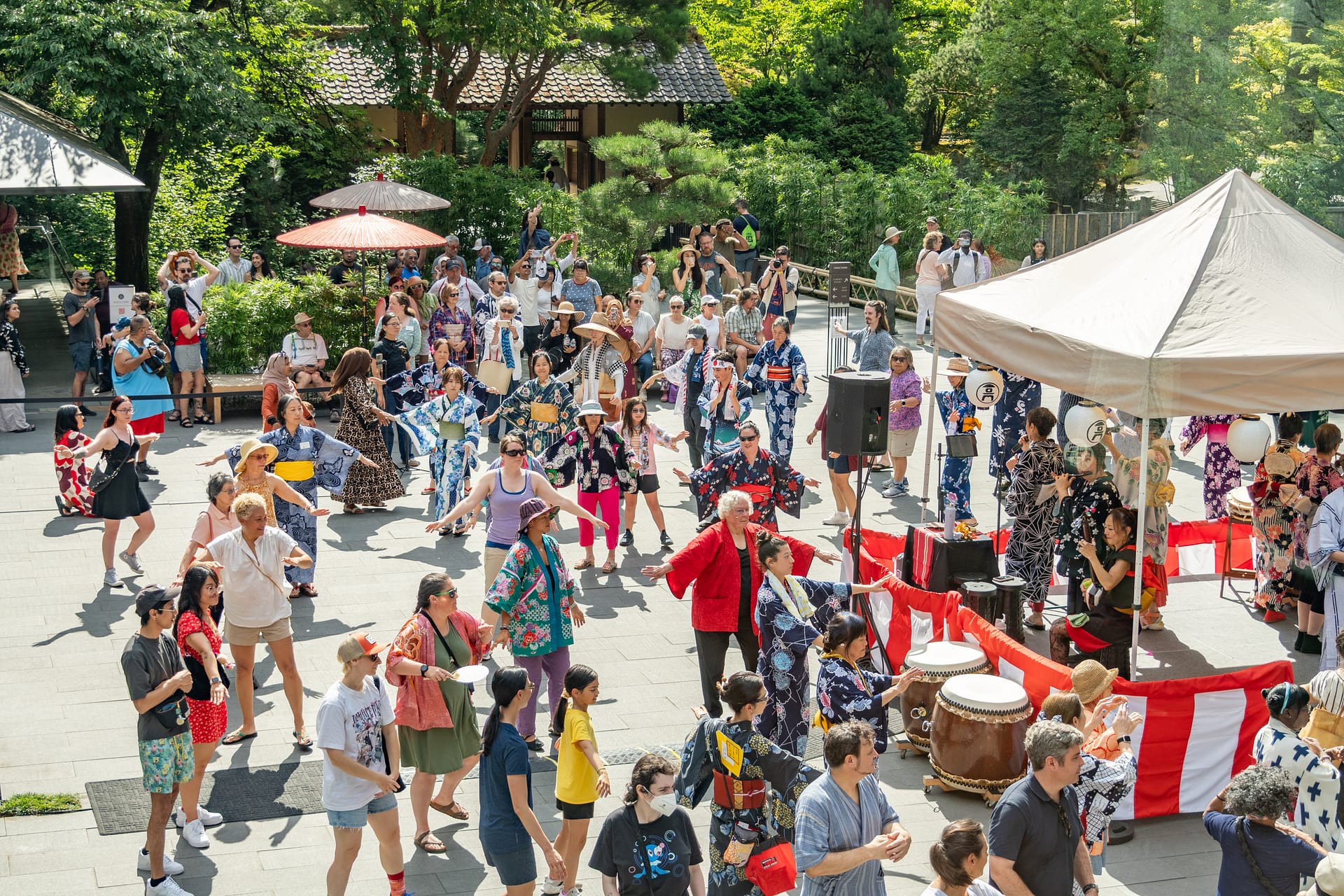
Experience a year of Japanese celebrations with Portland Japanese Garden! Check out our preview of all the festivals we’ll be holding in 2026.
Portland Japanese Garden would like to thank James F. and Marion L. The Miller Foundation, Oregon Arts Commission, and Toshiba International Foundation for their support of arts and culture programming.