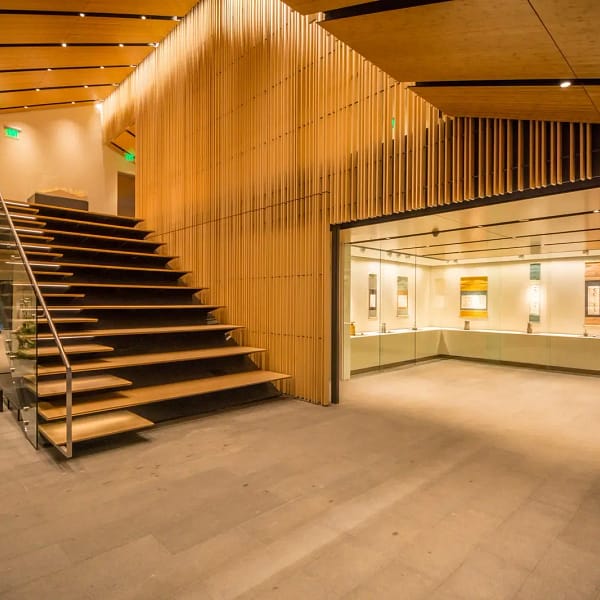
Portland Japanese Garden is hosting a special ikebana presentation by Saga Goryu Ikebana North America Chapter from 1:15–2:15 PM in the Jordan Schnitzer Japanese Arts Learning Center. We all observe the changing of the year together—a nearly universal, shared experience. With preparation, we can shape perception and transform a simple calendar change into a ritual. This program explores how Japanese New Year traditions express preparation and welcome through the living art of ikebana. Ikebana, the Japanese art of flower arranging, is more than decoration. It is a practice of harmonizing nature, intention, and form.
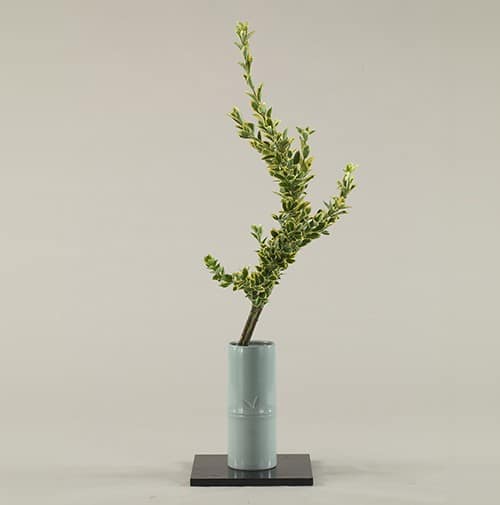
The program will begin with a presentation of a rarely seen New Year ritual named uzue. Uzue is a Shintō practice dating back to Japan’s Heian period (794-1185), focused on purification, protection, and readiness. The presentation will then move into the creation of a shōchikubai: pine, bamboo, and plum arranged in the classical seika style, expressing endurance, flexibility, and renewal as a way of dwelling in the year ahead. Whereas uzue functions as a ritual threshold preparing the space and the moment, shōchikubai expresses how one dwells in the year that has begun.
About Saga Goryu
Saga Goryu Ikebana traces its roots back over 1,200 years to Emperor Saga and the early Buddhist flower offerings (kuge) at Daikaku-ji Temple, his former imperial villa in Kyoto. These practices—meditative acts of devotion—were not yet ikebana in the artistic sense, but they embodied a core spirit of offering, reverence, and harmony with nature that continues in the school’s philosophy today.
As one of Japan’s oldest ikebana lineages, Saga Goryu continues to express seasonal awareness and natural form while honoring its spiritual and imperial heritage. Its signature arrangement styles—such as Shōgonka, meaning “flower of solemn dignity”—reveal the quiet power and contemplative beauty of this tradition.
Portland Japanese Garden would like to thank The Miller Foundation for their support of arts and culture programming.