By Will Lerner
As Portland Japanese Garden joins Lewis & Clark College in the beloved annual tradition they started, Moss Appreciation Week, we wanted to take some time to share some the facts we found most interesting about these tiny plants! Make sure you also read our deeper dive into the history of moss at Portland Japanese Garden and its cultural importance in Japan here. Let’s get to it.
Related: Check Out What Portland Japanese Garden is Doing to Celebrate Moss Appreciation Week
1. You Can Root for Moss, But Moss Doesn’t Root For Anyone
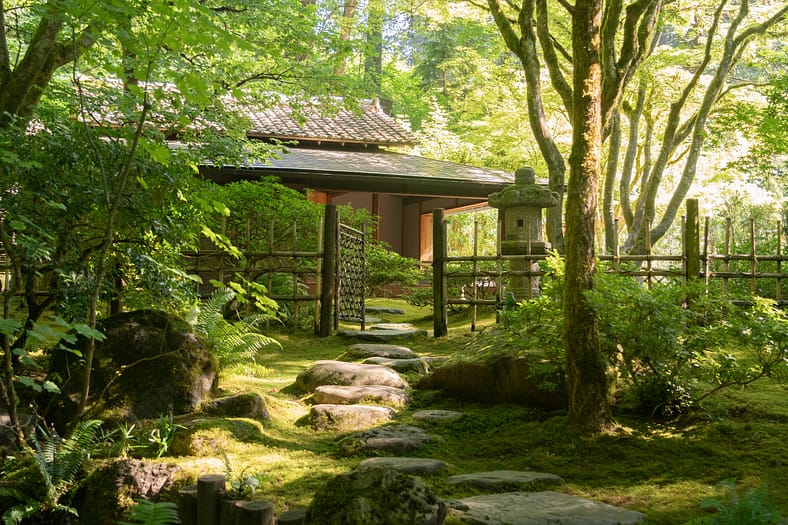
Unlike other plants, bryophytes (including mosses, liverworts, and hornworts) don’t have roots. Instead, they have rhizoids, which look like tiny hairs. These rhizoids do a super job of keeping moss in place, whether it’s on the ground, on a building, or other plant life.
2. Hey There, Old Timer
Mosses are among the most ancient plants. They are thought to have evolved from algae and were one of the first land plants on Earth, first showing up 450 million years ago. Were you there 450 million years ago when they started to grow on land? We’d love to hear from you (and I guess learn more about the technology you’re using).
3. Me and 100 of My Friends
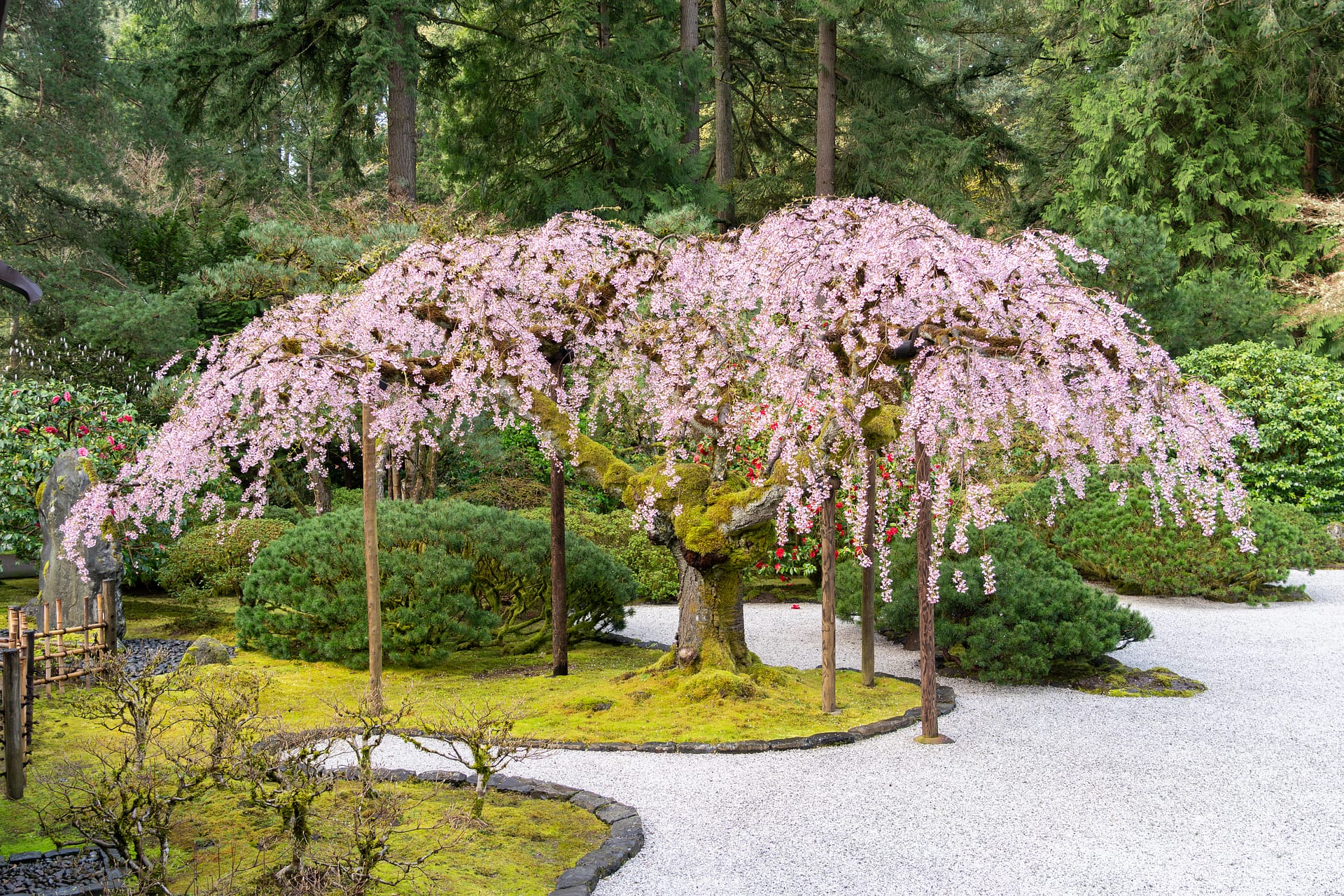
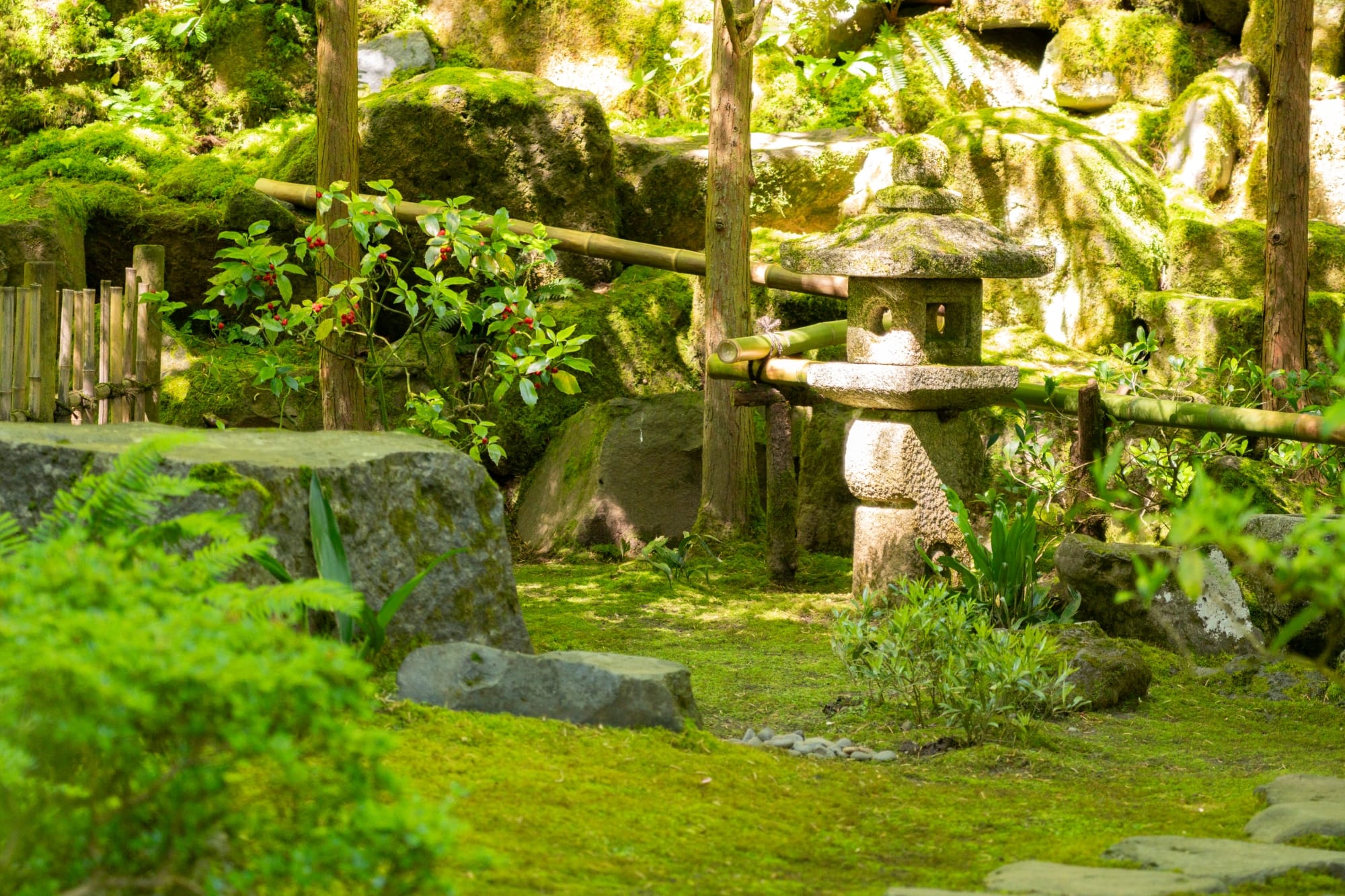
There are some gardens in Japan that have been found to be home to more than 100 species of moss! The most commonly found moss there is Polytrichum commune, commonly known as haircap moss. Yoshitaka Oishi, a preeminent scholar of moss at Fukui Prefectural University, has noted that gardens are sometimes important repositories of some endangered moss species.
4. Mighty Moss
While moss doesn’t like being stepped on too much (so thank you for sticking to our paths!) and prefers to avoid long exposure to bright hot sunlight, it is a very resilient plant. Moss author Ulrica Nordström has written that researchers were able to revive a 1,600-year-old moss that was found frozen in Antarctica. They’ve even survived space exploration! In 2025, they were kept outside the International Space Station and most managed to grow just fine when they were brought back to Earth.
5. Mind the Moss
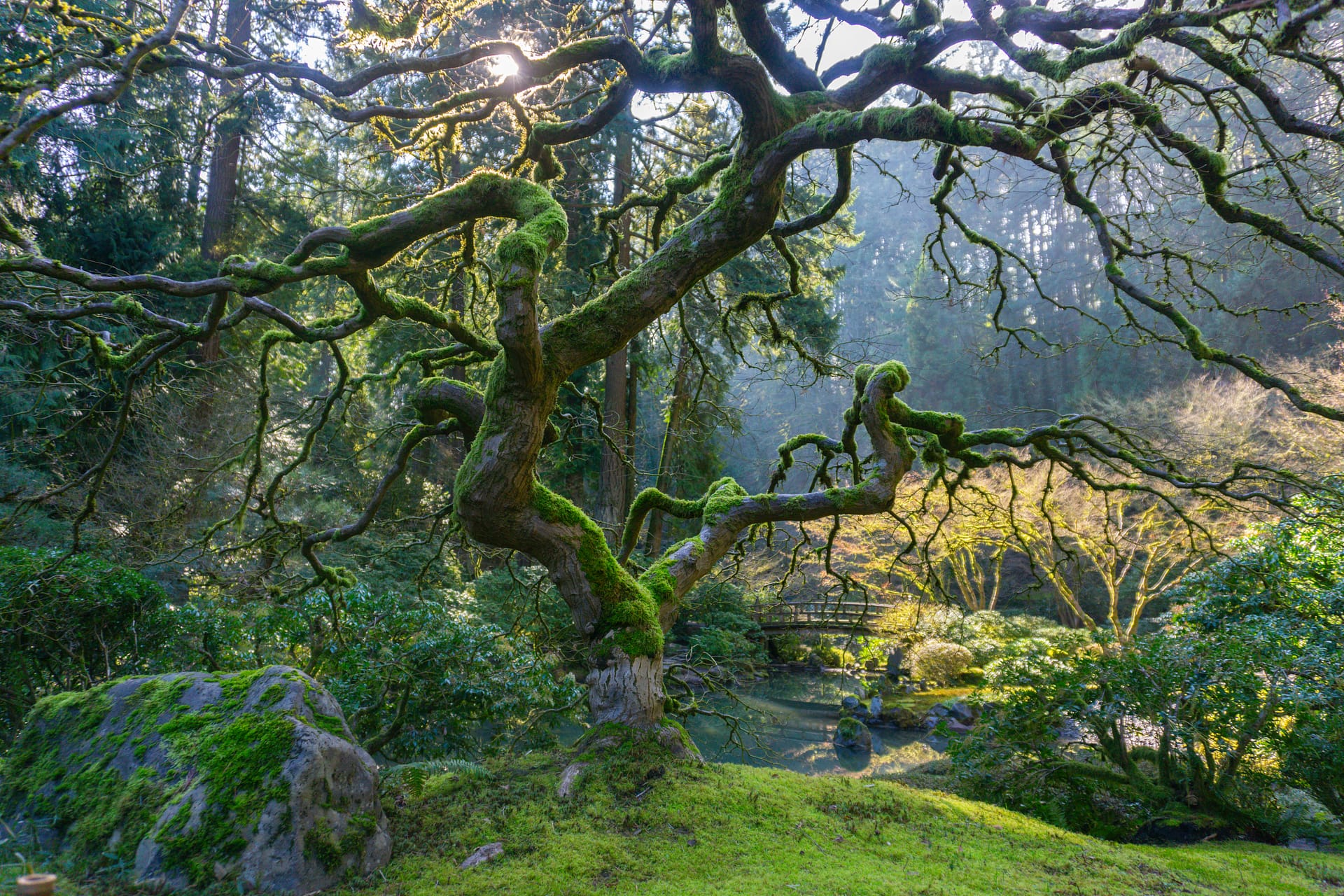
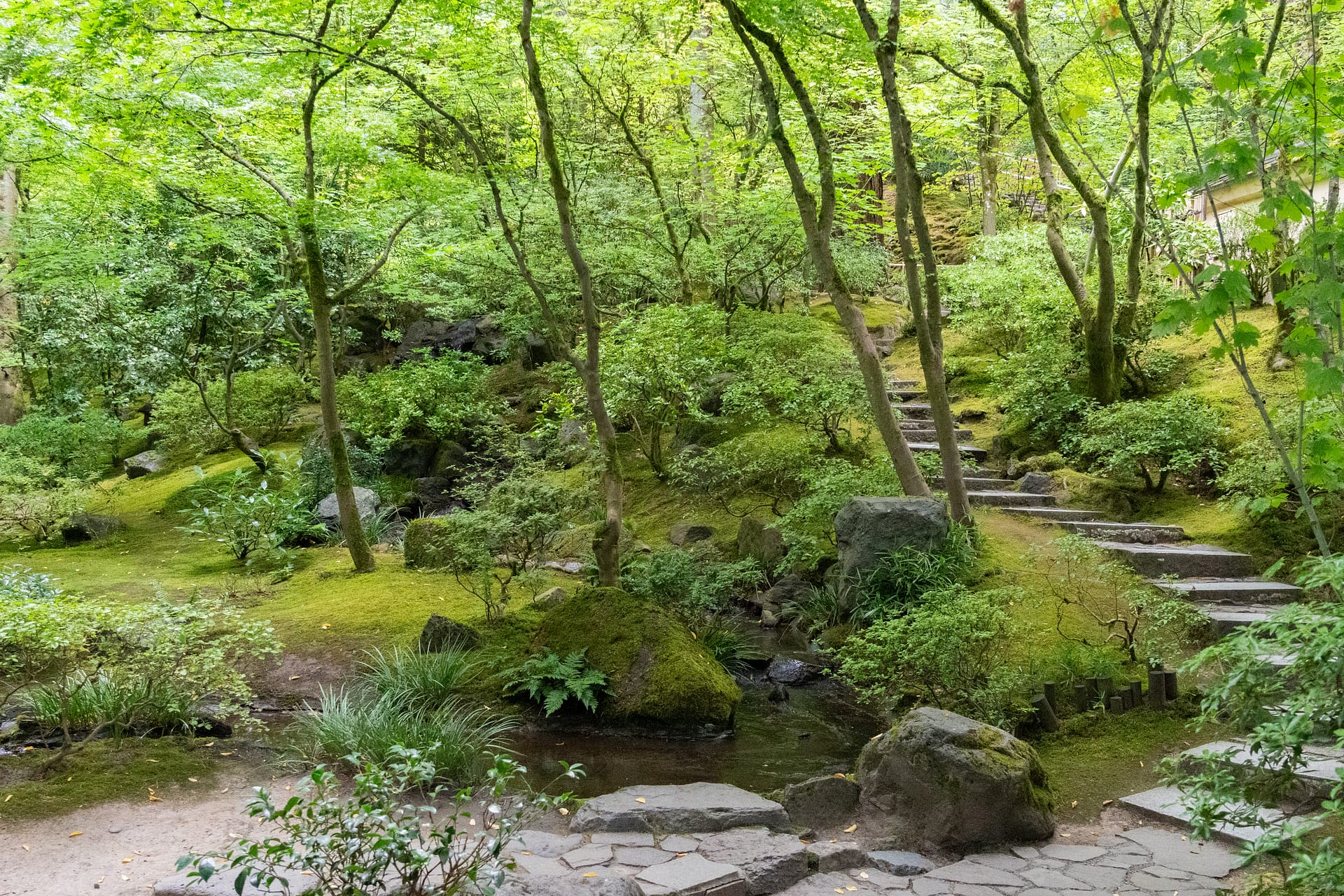
Because moss is sensitive to the environmental conditions it grows in, researchers are sharing that the plants are good indicators of climate change. If they are declining in cities, it might be due to things like “urban heat islands,” which are areas that are especially warmer because of concrete and asphalt’s heat absorption capacity. Urban heat islands are also bad for human health, so moss decline is something to be concerned about.
6. How Do You Hue?
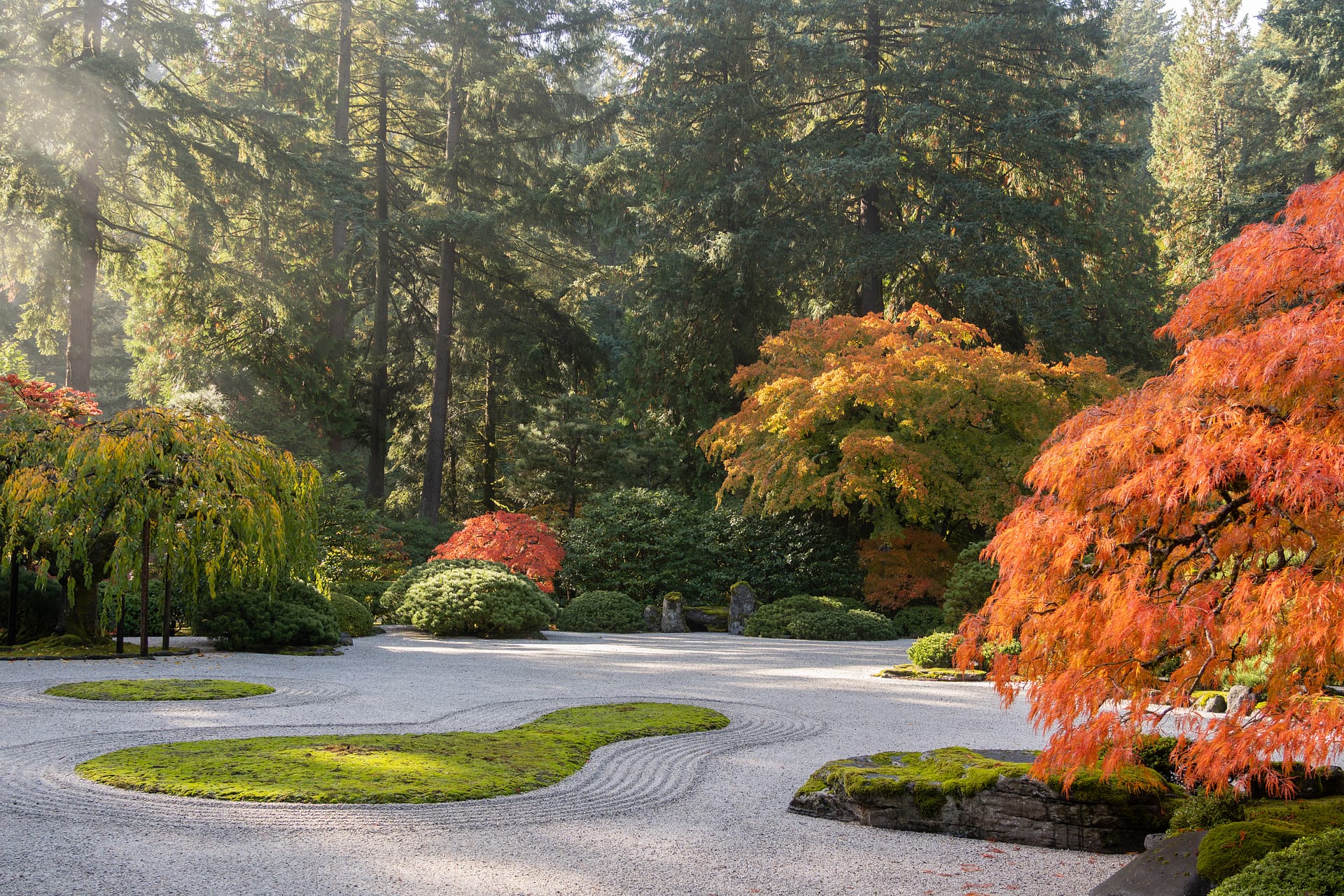
As George Schenk puts it, “There really is no such thing as ‘moss green.’” While they typically are green, mosses grow in a variety of different hues and are tinged with other colors like grays, reds, and yellows.
7. Hey, I Know You From Somewhere Else
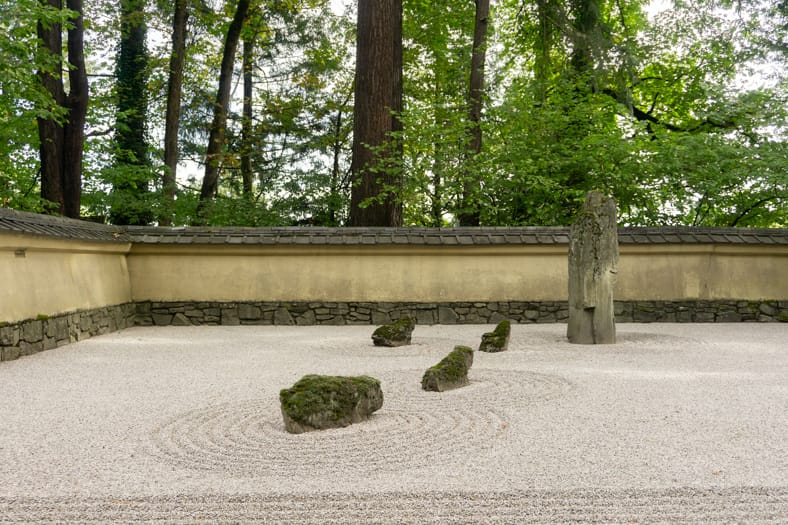
Mosses are so adaptable to different parts of the world that some species naturally pop up all over the place. Moss maven Annie Martin wrote that bryologists found that 90% of moss found in the Ozarks could be found all across North America. So, worried about a big move coming up? Just be like moss and you’ll fit in anywhere.
8. We’re Telling You This, But Please Don’t Eat our Moss
While many of us might not think of moss as something you eat or drink, Indigenous peoples have used Racomitrium, a genus of mosses, to make porridge. Mosses have also provide a different kind of comfort: Places in northern nations still see the use of it as an insulating material in homes.
9. Mosses are Literally Breathtaking
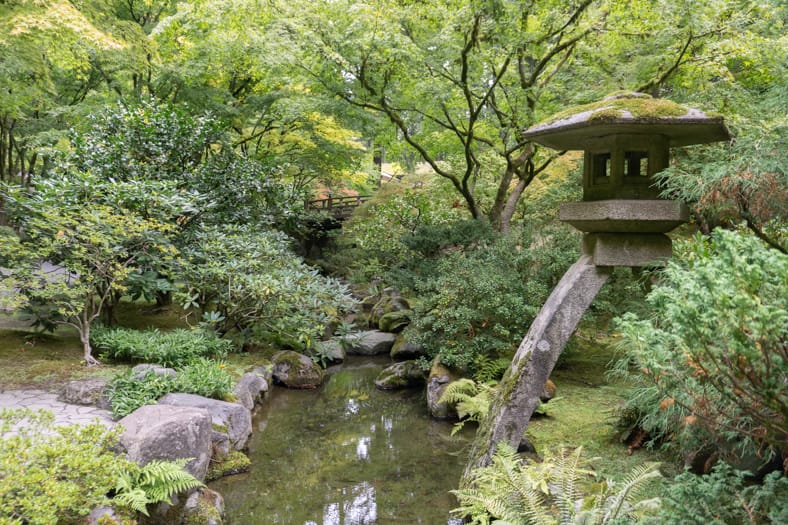
While rainforests are often thought of as the “lungs” of the planet, mosses are actually the biggest land repository for carbon. In fact, peatlands of Sphagnum sequester far more carbon than every single rainforest combined. The loss of peatlands is as important an issue as the loss of rainforests!
Will Lerner serves as Marketing and Communications Manager for Portland Japanese Garden.
References
Choi, C.Q. (2014, June 30). Why that bass beat moves us. LiveScience.com. https://www.livescience.com/46600-why-bass-music-moves-us.html
Grothaus, M. (1969, October 3). Moss garden creates its own environment. The Oregon Journal. https://infoweb-newsbank-com.proxy.multcolib.org/apps/news/document-view?p=AMNEWS&docref=image/v2%3A130FB78394A04B53%40EANX-NB-16EF65DD0C0C76E6%402440504-16EEDA4CCBF35E1A%4037-16EEDA4CCBF35E1A%40.
Heeger, S, (2011, April.) A world apart: Moss in Japan’s gardens. Garden Design. https://www.gardendesign.com/japanese/moss.html
Kimmerer, R.W. (2003). Gathering moss: A natural and cultural history of mosses. OSU Press.
Lueth, V. M., & Reski, R. (2023). Mosses. Current Biology, 33(22), R1175-R1181. https://doi.org/10.1016/j.cub.2023.09.042
Martin, A. (2015). The magical world of moss gardening. Timber Press.
McFadden, D.L. (1976). Oriental gardens in America. Douglas-West Publishers, Inc.
Nordström, U. (2019). Moss: From Garden to Garden: A Guide to the Hidden World of Moss. Countryman Press.
Nozu, M. & Thompson, B. (2015). What’s behind Japan’s moss obsession? The Conversation. https://theconversation.com/whats-behind-japans-moss-obsession-50500
Oishi, Y. (2019). Urban heat island effects on moss gardens in Kyoto, Japan. Landscape and Ecological Engineering, 15(2), 177-184. https://doi.org/10.1007/s11355-018-0356-z
Oishi, Y. (2020, January 2). Japan’s emerald carpets: The cultural importance and environmental promise of moss. Nippon.com. https://www.nippon.com/en/japan-topics/b02350/japan%e2%80%99s-emerald-carpets-the-cultural-importance-and-environmental-promise-of-moss.html?cx_recs_click=true
Oishi, Y. (2022). Why are the aesthetics of modest mosses highly valued in Japanese gardens? The Bryologist, 125(1), 61-69. https://doi.org/10.1639/0007-2745-125.1.061
Parry, R.L. (2008, September 1). Climate change threat to Japanese Zen gardens. The Times. https://www.thetimes.com/travel/destinations/asia-travel/japan/climate-change-threat-to-japanese-zen-gardens-5btfwzwzkfc
Pfanner, E. (2015, November 3). In Japan, moss gathers new fans The Wall Street Journal. https://www.wsj.com/articles/in-japan-moss-gathers-new-fans-1446513218
Schenk, G. (1999). Moss gardening: Including lichens, liverworts, and other miniatures. Timber Press.
Seivert, D. (2016). A tour of moss gardens in Japan and North America. The Journal of the North American Japanese Garden Association, 3, pp. 23-29. https://najga.org/a-tour-of-moss-gardens-in-japan-and-north-america/