The Garden Grows Anew
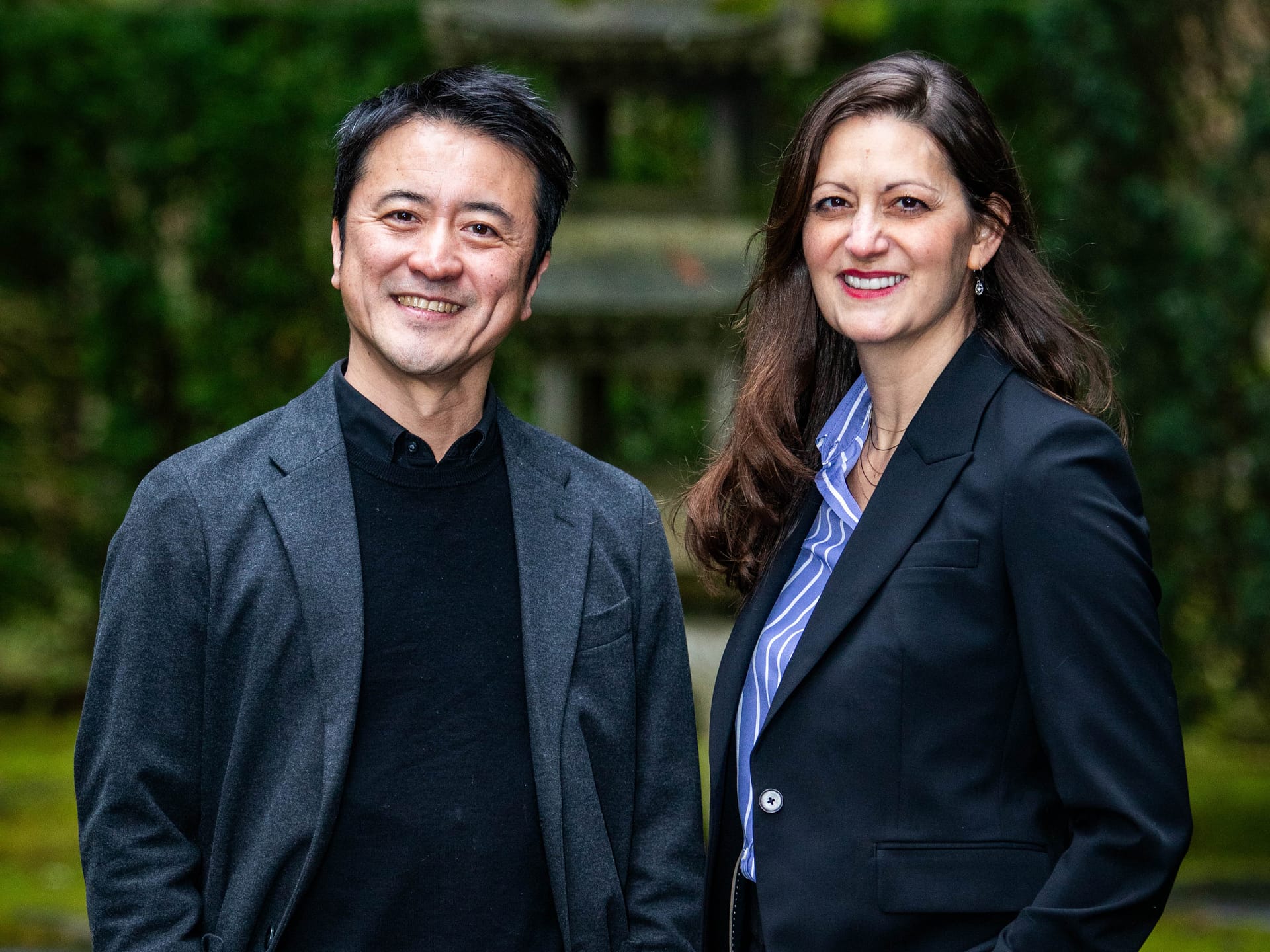
In January, Portland Japanese Garden and Japan Institute have shared that Lisa Christy and Aki Nakanishi have been named Co-CEO. This restructuring of the organizations’ leadership follows a thorough and methodical process conducted by the Board of Trustees following the retirement of former CEO Steve Bloom (2005-24). More about the decision to elevate these two highly admired individuals, as well as their backgrounds, can be read in our official announcement found here.
In light of this exciting news, both Christy and Nakanishi sat down with The Garden Path to discuss their love of the Garden, their shared readiness to lead together, and their vision for the organization.
First things first: Congratulations! How does it feel to take on these new roles?
Lisa Christy (LC): Thank you! I am both excited and humbled by this and am deeply grateful to the Board of Trustees for trusting me and Aki with the honor of leading the organization. I have been with the Garden for more than a decade and throughout those years much of my role has been devoted to understanding why this place has had such a meaningful and lasting impact on its community and how we might do even more to serve our mission of Inspiring Harmony and Peace. I think it would be fair to say that the societal landscape, regardless of any personal beliefs, has become increasingly fraught. I don’t know if there has ever been a moment within our lifetimes that acts of creating peace, fostering cross-cultural understanding, and championing environmental care have been more critical. I feel fortunate that I’m going to get to work alongside Aki and our amazing staff, volunteers, and members to actively pursue solutions that help uplift our city of Portland and, by example, others beyond the Pacific Northwest.
Aki Nakanishi (AN): Thank you. I am deeply grateful to the Board of Trustees for the confidence they have placed in Lisa and me. Stepping into this role feels both profoundly humbling and genuinely joyful. Portland Japanese Garden stands as one of the world’s leading Japanese cultural organizations, sustained by an extraordinary local and international community who truly believe in our mission. Together, we are demonstrating that a garden holds infinite possibilities for connecting people across cultures, generations, and ways of thinking.
I am reminded every day how fortunate we all are to have this Garden. It is the world’s first public Japanese garden of this quality and scale intentionally built by the people, for the people, rather than by a fortunate few. This role also carries a deep sense of responsibility, as we stand on the shoulders of countless unsung individuals whose dedication over more than sixty years made this place what it is today.
A large reason why the Board of Trustees decided to elevate you both into a shared leadership position is because of your complementary experience and expertise. Could you explain the roles you both will take as Co-CEO?
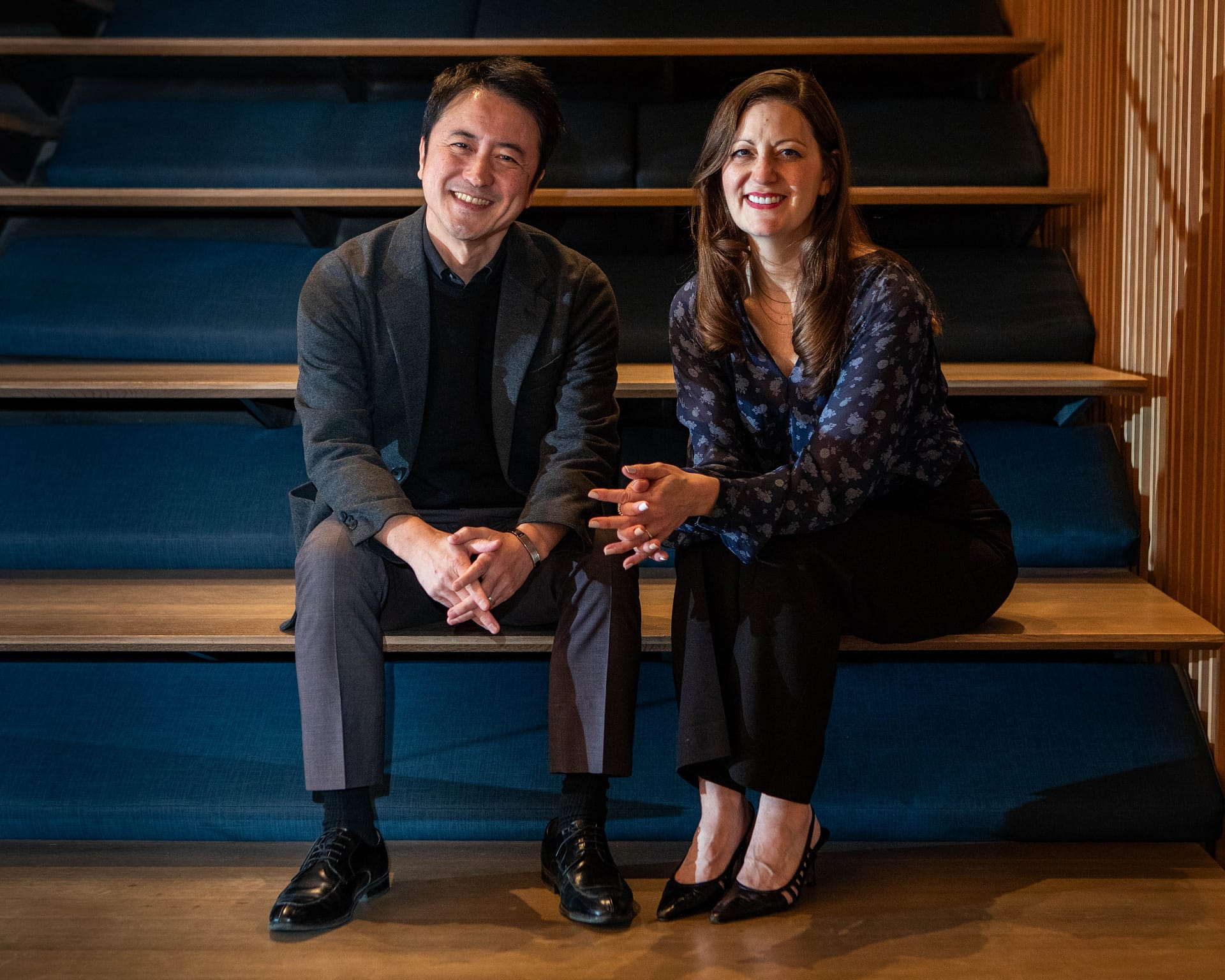
AN: While the shared leadership structure itself is innovative, one of its greatest strengths is that it allows Lisa and I to continue leading from our respective areas of expertise and experience. This is only possible because of our deeply complementary skill sets, grounded in mutual respect and trust developed through more than seven years of working side by side at the highest levels of decision-making within the organization. In my role, I will continue to focus on the Garden’s cultural and programmatic vision, directing initiatives that advance our stature as a leading force in cultural diplomacy while remaining firmly rooted in our home city of Portland. This work encompasses roughly 250 programs annually across the Pacific, including art exhibitions, seasonal festivals, cultural demonstrations, workshops, seminars, lectures, concerts, conferences, and culinary programs. Through a strategic approach that bridges local and international engagement, I will work closely with Lisa, our senior staff, and key advisory groups to strengthen the Garden’s network of partners and supporters across Japan and the United States. Working synergistically, our aim is to elevate Portland’s profile both nationally and internationally, while ensuring that our programs remain meaningful, accessible, and deeply connected to the Garden and its community.
LC: In addition to joining Aki in guiding the Garden into its next era of cultural leadership, community partnership, and global exchange, I will continue to have a primary focus on ensuring Portland Japanese Garden continues to serve its community. This means directing our external affairs, including marketing, philanthropy, guest experience strategies as well as expanding community access and engagement programs. Both Aki and I will also have a deep focus on the landscape itself, working alongside Hugo Torii, Garden Curator and Director of the Japanese Garden Training Center, to ensure that he and his team are supported in maintaining the world class standards people have come to expect when visiting us.
How does it feel to begin this new chapter for the Garden and Institute together as a team?
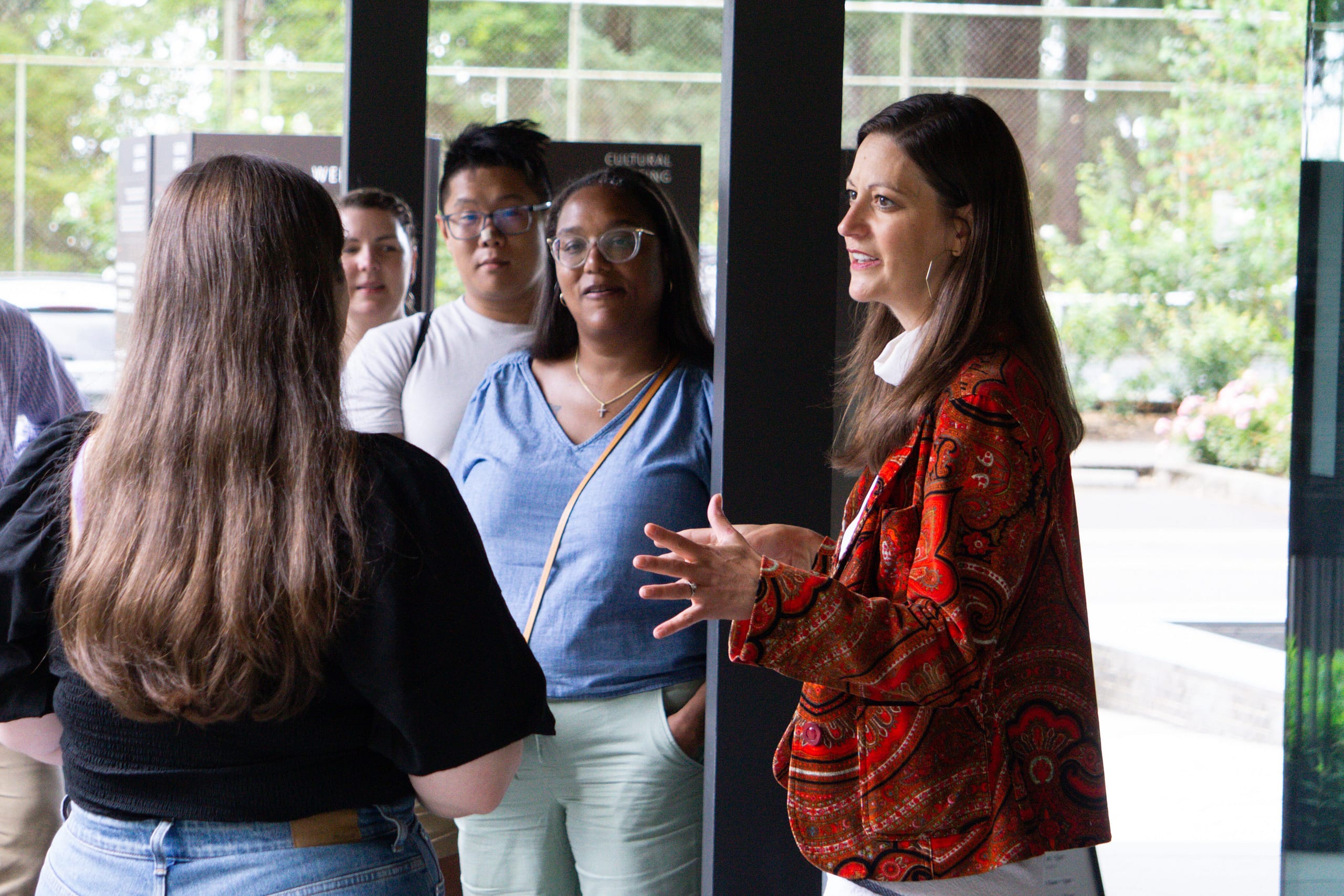
LC: I feel really fortunate to have Aki as a partner in moving the Garden and Institute forward. As I have mentioned, I’ve been with the organization for over a decade, but I am not, nor would I ever pretend to be, an expert on Japanese culture. Aki is a deeply informed student of the arts, culture, and nature—his passion for the traditions and gifts of Japan is unmatched by anyone I know and it’s for that reason why we have enjoyed such worldclass programming since he joined us in 2018. Beyond that reservoir of knowledge is a tireless worker who has audacious (in the best sense of the word) goals for us all. I believe our pairing will be a boon to both of us, and, most importantly, Portland Japanese Garden and Japan Institute.
AN: Lisa is an extraordinary communicator with a sharp strategic mind and an ability to bring clarity and momentum even in the most complex moments. The past few years have been exceptionally challenging for cultural institutions nationwide, and the fact that the Garden has remained vibrant, resilient, and forward-looking is a direct reflection of her leadership. I honestly cannot imagine a better partner for this journey. Some of the most energizing moments of the past few months have been the conversations and decisions we’ve navigated together. Beginning this next chapter as a team feels both grounding and exhilarating, and alongside our community, I’m excited about what we can accomplish next.
On that note, can you describe what your vision is for Portland Japanese Garden and Japan Institute?
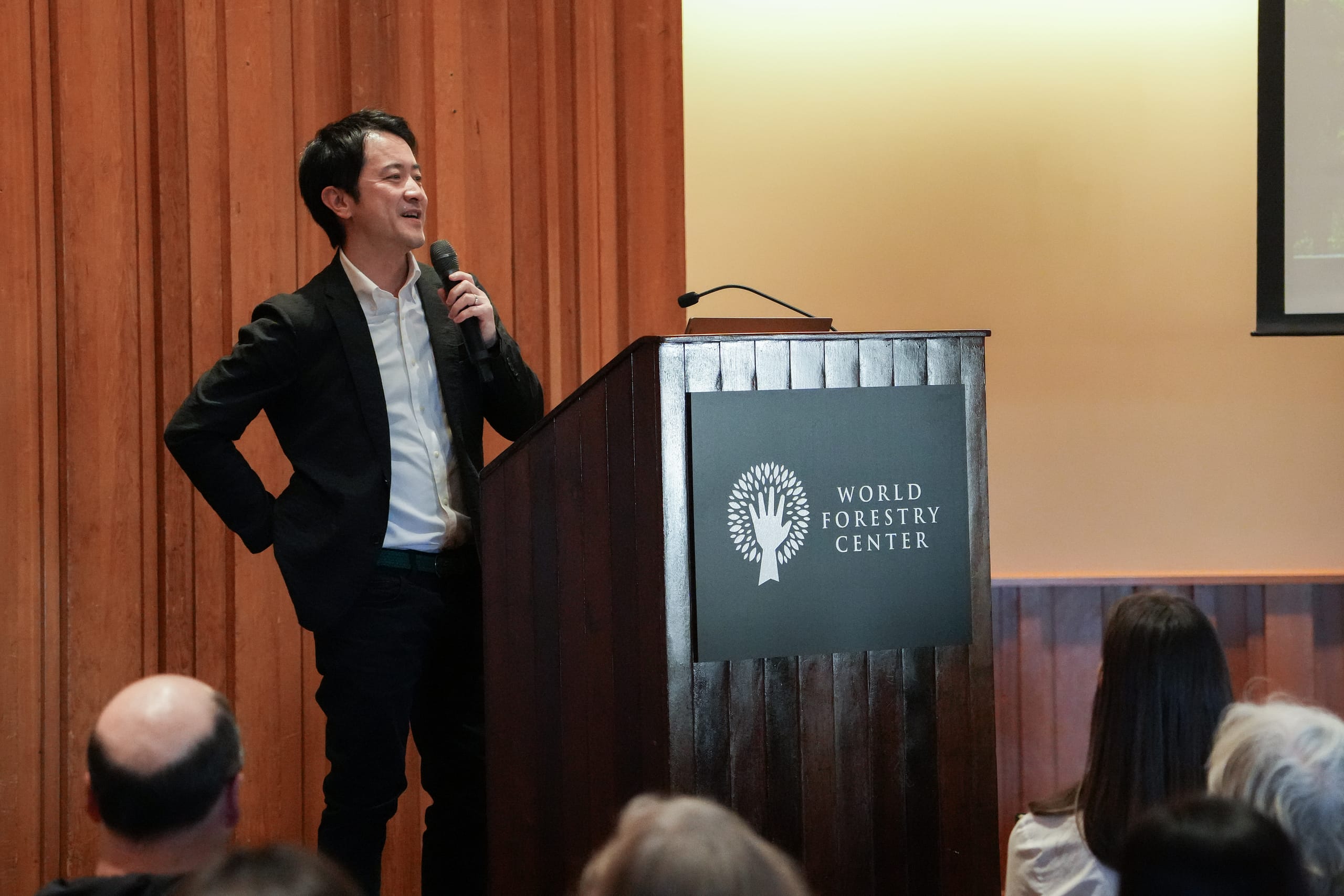
AN: Japan Institute will remain firmly focused on our core strengths while deepening our service to the communities that have long supported and stewarded the Garden. At the same time, we will continue to thoughtfully expand the work already underway, broadening its reach and impact with intention and rigor. Our aim is to engage the very best of Japanese culture, both traditional and contemporary, and to create spaces where it can meaningfully intersect with our audiences, generating new ideas, inspiration, and reciprocal learning. Just as importantly, we recognize that the Pacific Northwest has so much to offer the world, and we see this exchange as a two-way dialogue. With the support of our colleagues, we are committed to maintaining the highest level of programmatic quality, fostering a deeper appreciation of Japanese cultural and aesthetic principles grounded in a shared reverence for nature, while inviting thoughtful conversation around issues that resonate broadly today. Right now, we are looking into the different spaces our innovative programing will happen – most of it will be here in the city we love, Portland.
LC: To add to what Aki has shared, I’m really excited for what we can do in the health and wellness space. There is an increasing amount of research, much of it from Japan, that indicates meaningful time spent in nature has a lot of benefits for physical and mental health. The Garden is amazing in that it showcases the beauty of nature both in how it can be cared for by human hands and how it grows more organically in the forested hills that envelop our grounds. I personally have witnessed the calming influence it can have in others and myself. I can absolutely see a future where our organization is a leader in “garden therapy,” where we demonstrate through programming and research that time spent in spaces like this makes a real and positive difference in peoples’ lives. As we have long believed and is exemplified through the Japanese Garden Training Center—we are certain that a healthier and more sustainable world is one with more Japanese gardens. And we’re going to prove it.