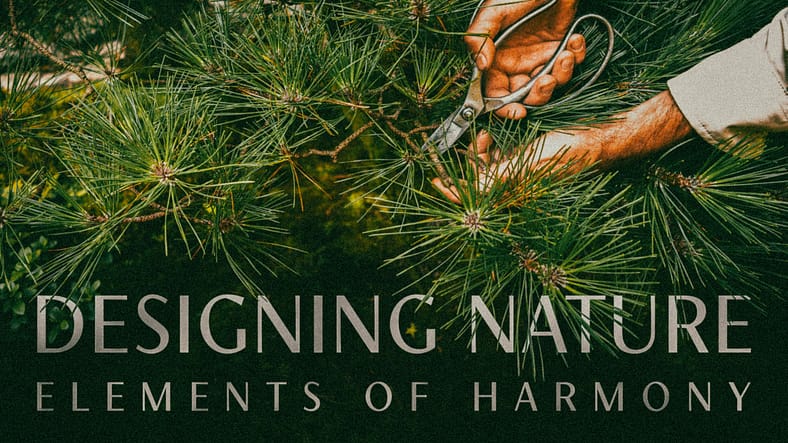
Portland Japanese Garden is excited to present Designing Nature: Elements of Harmony, an art exhibition that celebrates the beauty, history, artistry and inspiration behind Japanese gardens themselves.
This exhibition is a curatorial collaboration between Portland Japanese Garden’s two curators Aki Nakanishi, Director of Japan Institute and Arlene Schnitzer Curator of Culture, Art, and Education, and Hugo Torii, Garden Curator and Director of the Japanese Garden Training Center. Japanese gardens are living expressions of harmony—where nature is shaped by human hands and guided by the heart. Designing Nature invites you to explore the inspiration, techniques, and traditions behind this timeless art form—revealing the depth, intention, and beauty that define Japanese garden design.
In addition, this exhibition will showcase artwork that evokes the elements and inspiration of Japanese gardens.
Previewing “Designing Nature”
The Captivating Work of Hiroshi Senju
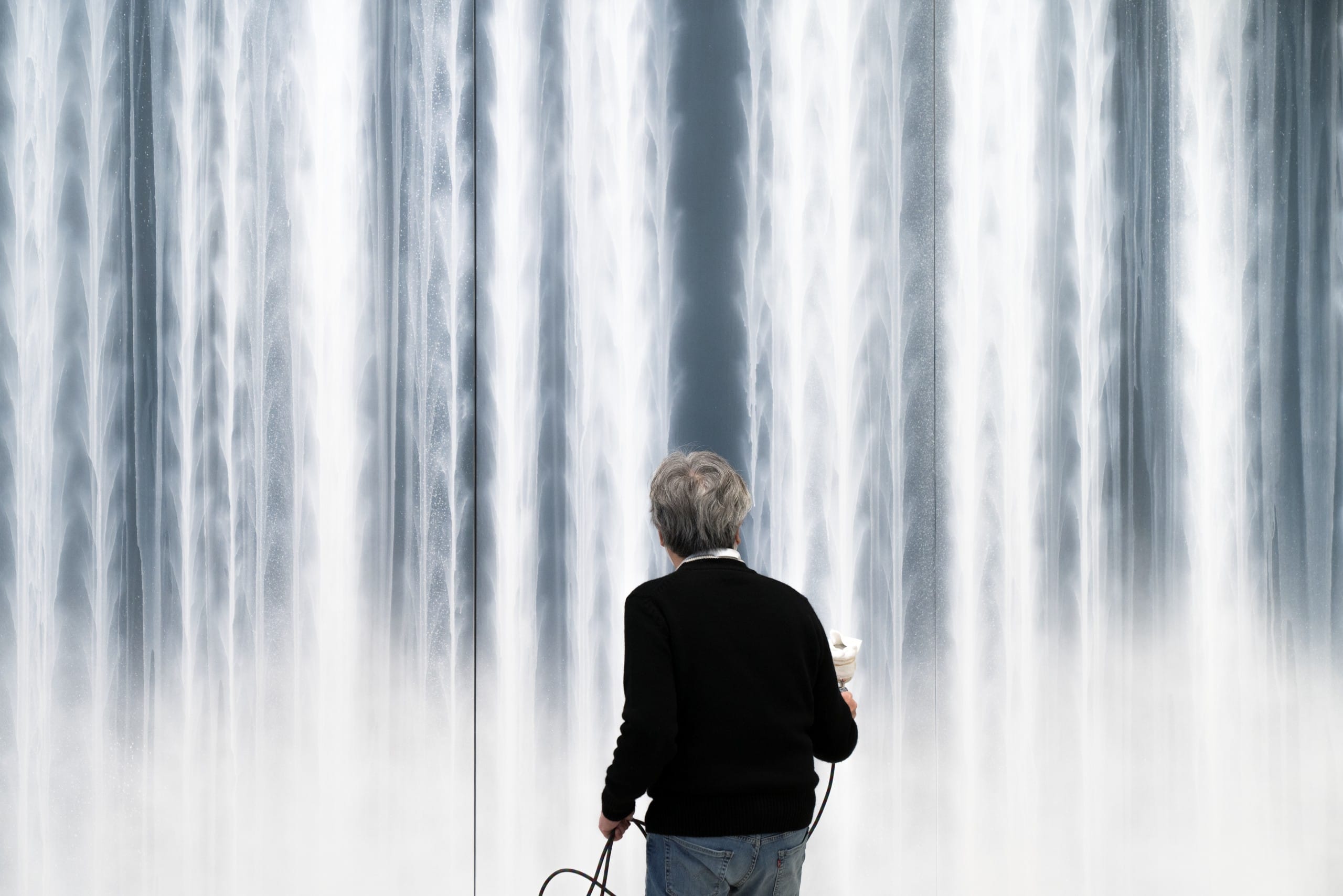
A largescale painting by acclaimed artist Hiroshi Senju, Waterfall employs the nihonga technique, a Japanese style of painting using mineral pigments, a hide glue, and water. The result of this approach makes the mist of Waterfall seemingly glow
Bamboo Basket Mastery

From The Collection of Peter Shinbach, these woven bamboo artworks, serve as examples of the innovative approaches being artists, including Tanabe Chikuunsai IV and Honda Syoru.
Enchanting Beauty of Suiseki, “Viewing Stones”
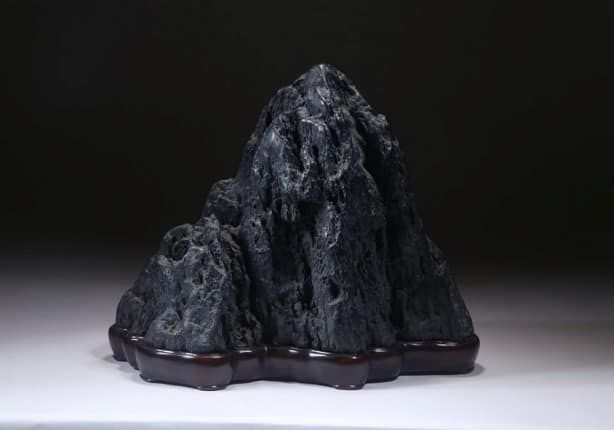
From The Collection of Jeffrey and Andrew Robson, these exquisite stones reflect three different landscape categorizations of suiseki stones, which are designated based on the imagery that they evoke. The three suiseki on display represent an island, waterfall, and mountain, but the art of suiseki comes from imagining your own interpretation of the stones.
Scale Models of the Garden’s Iconic Scenes
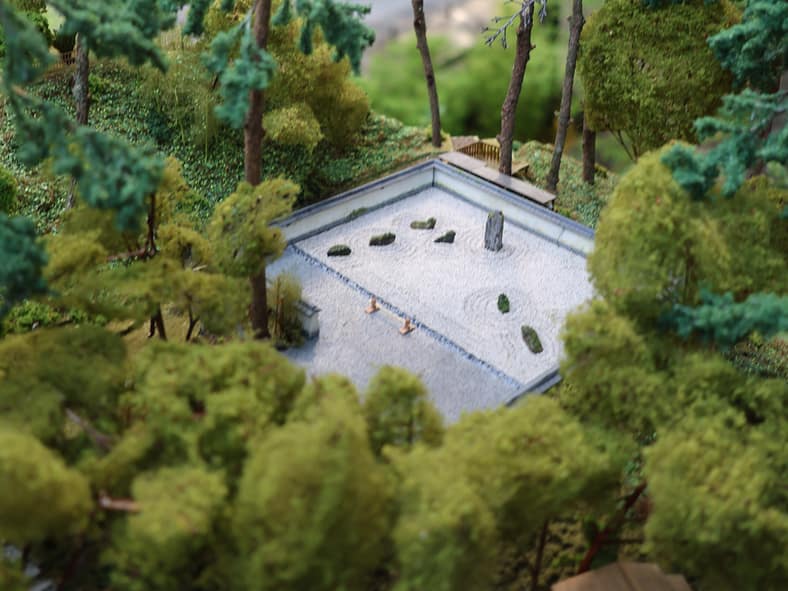
Produced by Portland-based model-maker Aimee Eng, these scale models transport you into the eyes of a gardener, while inspiring magic and wonder at familiar scenes made miniature.
Captivating Photography

While the previous work can be found in the Pavilion Gallery, don’t forget to visit the Jordan Schnitzer Japanese Arts Learning Center to see photography of Portland Japanese Garden by Garden member and photographer Stu Ley. Levy, who has been a neighbor of the Garden for 51 years, has exhibited his work in institutions such as the Portland Art Museum. His black and white photographs capture the beauty of the Garden across time. Meanwhile, the Calvin and Mayho Tanabe Gallery will feature imagery from some of Japan’s most revered public gardens. More on this can be read here.
Designing Nature: Elements of Harmony is now open in the Pavilion Gallery and Jordan Schnitzer Japanese Arts Learning Center through February 23.